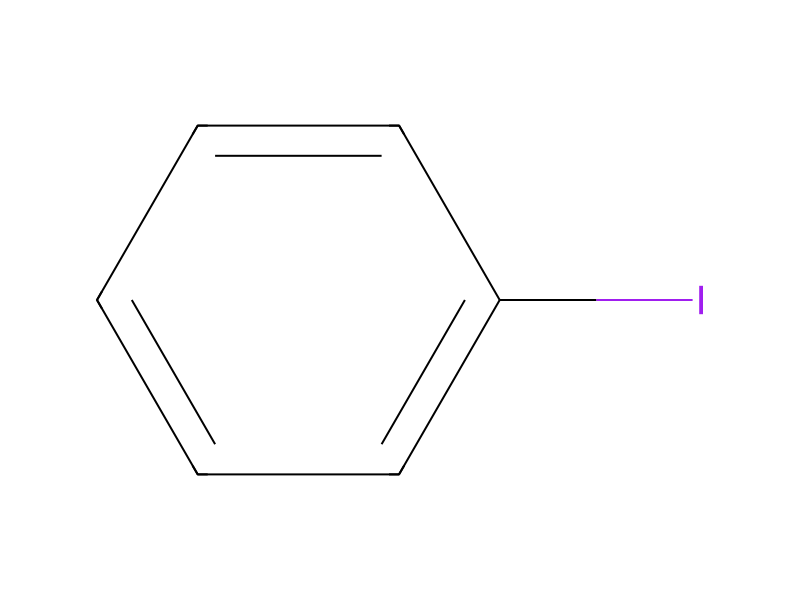
A mixture of 1-(2-amino-4-chlorophenyl)-ethanone (1.85 g), copper powder (140 mg), KI (360 mg), K2CO3 (3.06 g) and iodobenzene (4.8 mL) in dibutyl ether (40 mL) was heated at 160° C. (oil bath temperature) overnight. More copper powder (140 mg), KI (360 mg), K2CO3 (3.06 g) and iodobenzene (4.8 mL) were added and the reaction mixture was heated at reflux overnight. The resulting mixture was then cooled and concentrated under reduced pressure. The residue was partitioned between water and ethyl acetate, the organic layer was separated and the aqueous layer was extracted with ethyl acetate (2×50 mL). The combined organic extracts were washed with brine, dried over anhydrous sodium sulfate, filtered and evaporated under reduced pressure. The crude residue was purified by flash chromatography (EtOAc/hexane) to afford 2.2 g of 1-(4-chloro-2-phenylamino-phenyl)-ethanone.