반응식

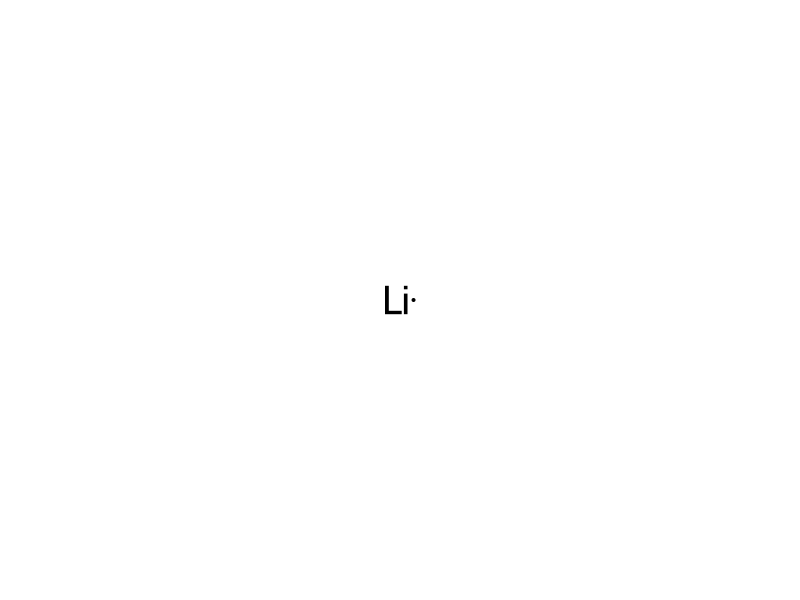
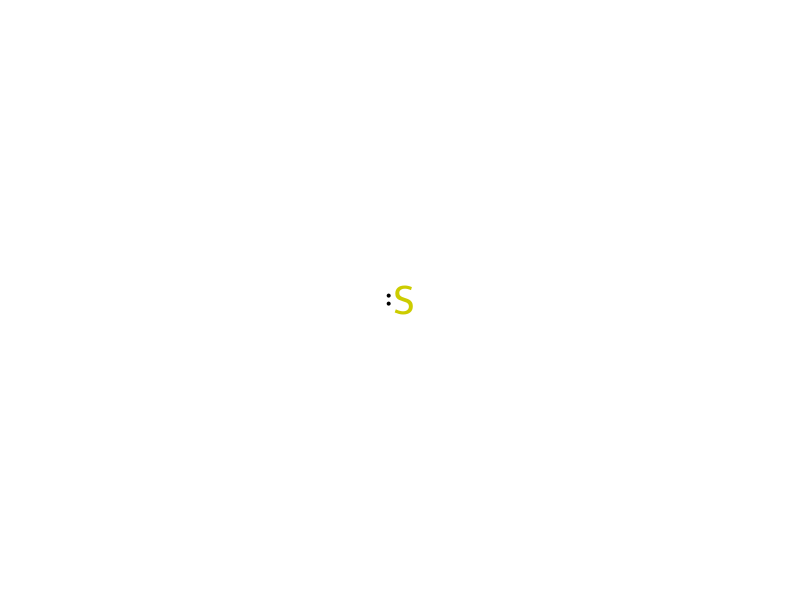
[Li].[S].[F:3][C:4](=[C:8]([F:10])[F:9])[CH2:5][CH2:6]S.[Br:11]CCC(F)=C(F)F.[Mg:19]>>[F:3][C:4](=[C:8]([F:10])[F:9])[CH2:5][CH2:6][Mg:19][Br:11]참가 물질




실험 절차
For example, glyoxylic acid may be reacted with hydroxylamine hydrochloride in an aqueous medium, forming the corresponding oxime. This oxime is then reacted with chlorine in aqueous methylene chloride to form dichloroformaldoxime. Treatment of dichloroformaldoxime with silver nitrate in the presence of cyanogen chloride produces 3,5-dichloro-1,2,4-oxadiazole. If cyanogen bromide is substituted for cyanogen chloride, the product recovered is 5-bromo-3-chloro-1,2,4-oxadiazole. The final product, 3-chloro-5-(3,4,4-trifluoro-3-buten-1-ylthio)-1,2,4-oxadiazole, may be produced by reacting the dihalo-1,2,4-oxadiazole with lithium metal, then with elemental sulfur, and finally with 4-bromo-1,2,2-trifluoro-1-butene. An alternate final step involves the reaction of 3,4,4-trifluoro-3-butene-1-thiol with 5-halo-3-chloro-1,2,4-oxadiazole. Preparation of 3,4,4-trifluoro-3-butene-1-thiol may be accomplished by reacting 4-bromo-1,1,2-trifluoro-1-butene with magnesium metal to form 3,4,4-trifluoro-3-buten-1-ylmagnesium bromide. This Grignard reagent is then reacted with elemental sulfur in diethyl ether to form the desired 3,4,4-trifluoro-3-butene-1-thiol. In a like manner, the corresponding 2-or 5-halo-substituted 1,3,4-oxadiazole may be prepared.
출처 및 근거
- ORD 기록
- ord-89e71d41012e4255a67a72fc67c18ea8
- 출처 데이터셋
- uspto-grants-1990_08
- 특허 번호
- US04952580
연결된 노트
불러오는 중…