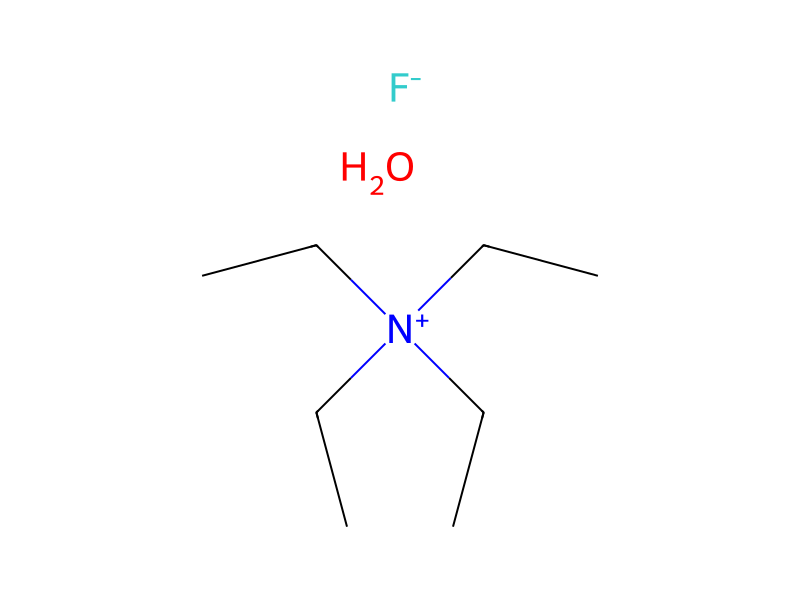
A mixture of 5-hydroxy-2-nitrobenzyl alcohol (5.1 g, 30 mmol), tetraethylammonium fluoride hydrate (8.94 g, 60 mmol) and 2-chloromethylquinoline (5.31 g, 30 mmol) in DMF (90 ml) was stirred at room temperature for 72 hours. The reaction mixture was then poured into water and extracted with ethyl acetate. The extract was dried over MgSO4 and concentrated in vacuo. To the residue was added methylene chloride (25 ml) and the solid was filtered to provide 3.1 g of 2-nitro-5-(2-quinolylmethoxy)benzyl alcohol.