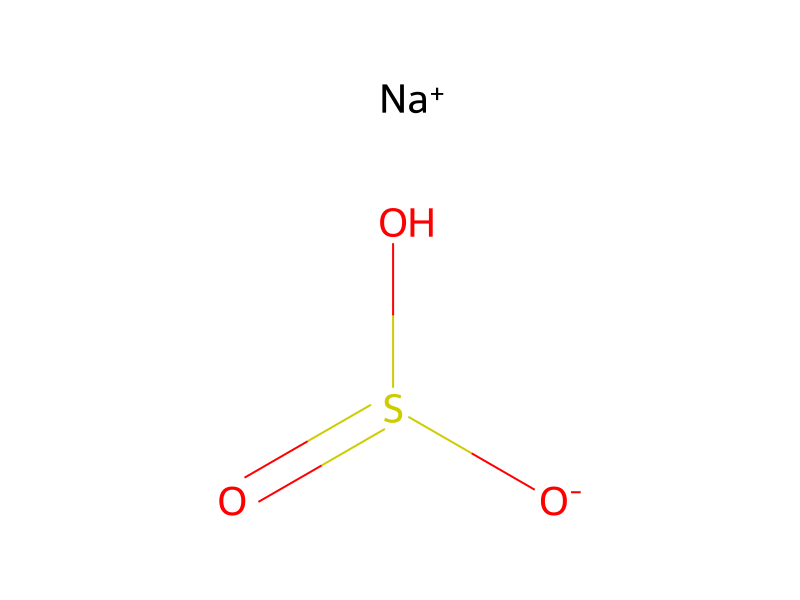
[NH2:1][C:2]1[C:7]([F:8])=[C:6]([C:9]2[C:17]3[O:16][C:15]([F:19])([F:18])[O:14][C:13]=3[C:12]([Si](C)(C)C)=[CH:11][CH:10]=2)[N:5]=[C:4]([C:24]([O:26][CH3:27])=[O:25])[C:3]=1[Cl:28].[Br:29]Br.OS([O-])=O.[Na+]>ClCCCl>[NH2:1][C:2]1[C:7]([F:8])=[C:6]([C:9]2[C:17]3[O:16][C:15]([F:19])([F:18])[O:14][C:13]=3[C:12]([Br:29])=[CH:11][CH:10]=2)[N:5]=[C:4]([C:24]([O:26][CH3:27])=[O:25])[C:3]=1[Cl:28]Methyl 4-amino-3-chloro-6-(2,2-difluoro-7-(trimethylsilyl)benzo[d][1,3]dioxol-4-yl)-5-fluoropicolinate (400 mg, 0.92 mmol) was stirred in 1,2-dichloroethane (5 mL), treated with bromine (1.0 g, 6.5 mmol) and stirred at 20-25° C. for 4 h. The solution was stirred with 10% NaHSO3 solution (30 mL) and extracted with ethyl acetate (35 mL). The organic phase was washed with saturated NaCl (5 mL), dried (Na2SO4) and evaporated to give the title compound as a white solid (370 mg, 92%): mp 168-170° C.; 1H NMR (400 MHz, CDCl3) δ 7.35 (m, 1H), 5.02 (s, 1H), 3.99 (s, 3H); 19F NMR (376 MHz, CDCl3) δ −49.23, −137.58; ESIMS m/z 439 ([M+H]+), 437 ([M−H]−).