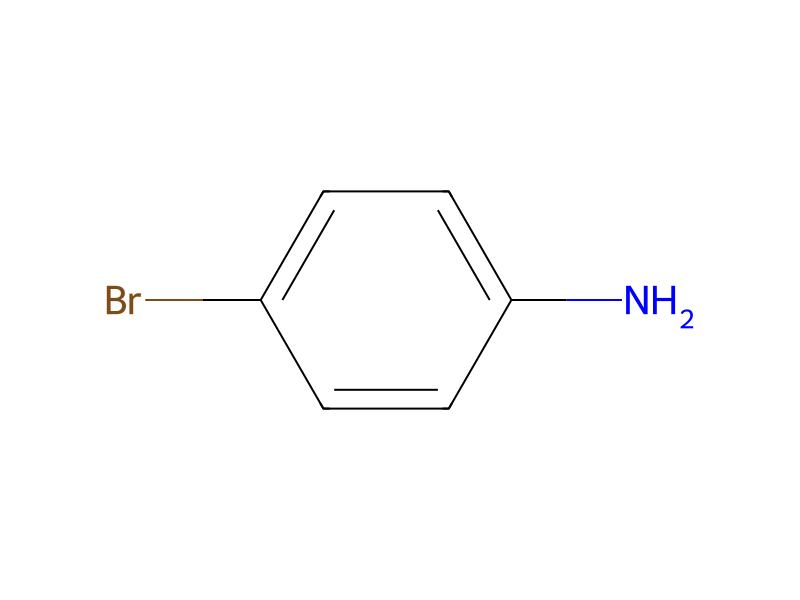
To a stirred and 0° C. cooled solution of 4-bromoaniline (1.0 g, 5.8 mmol, 1.0 eq) and pyridine (0.61 mL, 7 mmol, 1.2 eq) in DCM (20 mL) was added drop wise a solution of 2,6-difluorobenzoyl chloride (0.8 mL, 6.4 mmol, 1.1 eq) in DCM (5 mL). After stirring the resulting mixture at the same temperature for 1 h, the solvent was removed under vacuum. The residue was taken into ethyl acetate (20 mL) and water (20 mL). The layers were separated. The aqueous layer was extracted with ethyl acetate (2×20 mL) and the combined organic layers were washed with brine (20 mL), dried (Na2SO4) and filtered. The filtrate was concentrated under vacuum to afford 1.20 g of the desired product as a white solid. 1HNMR (400 MHz, DMSO-d6) δ 7.78 (brs, 1H, D2O exchangeable), 7.53-7.37 (m, 5H), 7.02-6.95 (m, 2H); ESI-MS (m/z) 312, 314 [(MH)+ Br79,81].