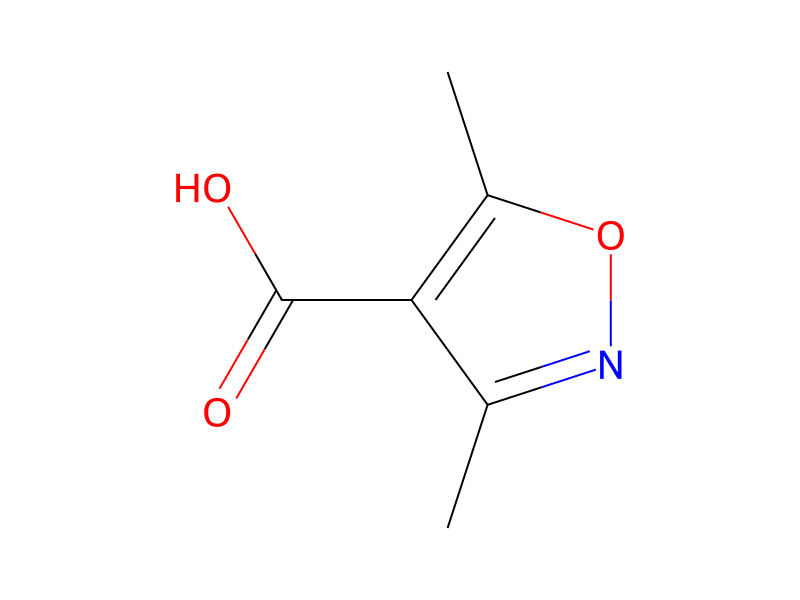
3,5-Dimethylisoxazole-4-carboxylic acid → 3,5-Dimethyl-isoxazole-4-carboxylic acid [5-(7-fluoro-1-methyl-2-oxo-1,2,3,4-tetrahydro-quinolin-6-yl)-4-methyl-pyridin-3-ylmethyl]-amide
HRID 1774880
반응식

Cl.[NH2:2][CH2:3][C:4]1[C:5]([CH3:23])=[C:6]([C:10]2[CH:11]=[C:12]3[C:17](=[CH:18][C:19]=2[F:20])[N:16]([CH3:21])[C:15](=[O:22])[CH2:14][CH2:13]3)[CH:7]=[N:8][CH:9]=1.[CH3:24][C:25]1[C:29]([C:30](O)=[O:31])=[C:28]([CH3:33])[O:27][N:26]=1>>[F:20][C:19]1[CH:18]=[C:17]2[C:12]([CH2:13][CH2:14][C:15](=[O:22])[N:16]2[CH3:21])=[CH:11][C:10]=1[C:6]1[C:5]([CH3:23])=[C:4]([CH2:3][NH:2][C:30]([C:29]2[C:25]([CH3:24])=[N:26][O:27][C:28]=2[CH3:33])=[O:31])[CH:9]=[N:8][CH:7]=1참가 물질
3
반응물 2

생성물 1

실험 절차
In analogy to the procedure described for the preparation of example 219, 6-(5-aminomethyl-4-methyl-pyridin-3-yl)-7-fluoro-1-methyl-3,4-dihydro-1H-quinolin-2-one hydrochloride (example 226) has been coupled with 3,5-dimethyl-isoxazole-4-carboxylic acid to give the title compound as a colorless solid. MS: 423.6 (M+H+).