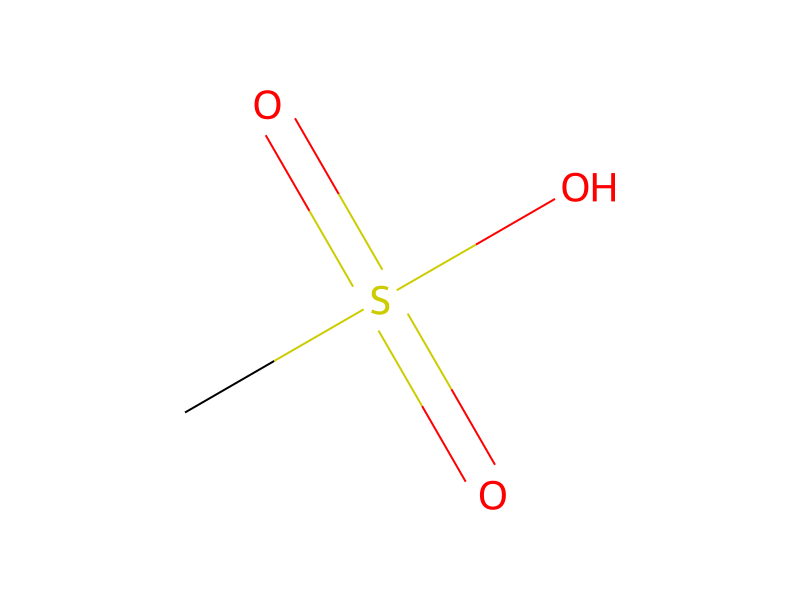
2-(3-Benzyloxybenzoyl)-N-isopropyl-3-phenylacryl amide (106.74 g, 267.19 mmol) was dissolved in dichloromethane. Methanesulfonic acid (256.78 g, 2.672 mmol) was added thereto and the mixture was stirred for 3 hours at room temperature. After the reaction was completed, the mixture was cooled to 0° C. followed by adding saturated sodium bicarbonate, and the organic layer extracted with dichloromethane. The extract was dried over anhydrous magnesium sulfate, concentrated, and the resulting residue was purified by column chromatography (ethyl acetate:hexane=1:2) to obtain 5-hydroxy-3-oxo-1-phenylindane-2-carboxylate isopropyl amide (36.086 g, yield 44%) as a white solid.