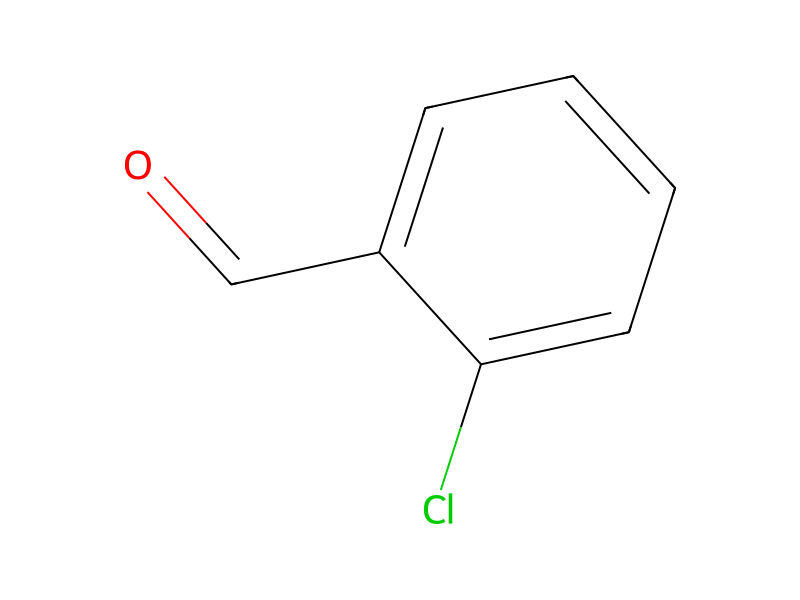
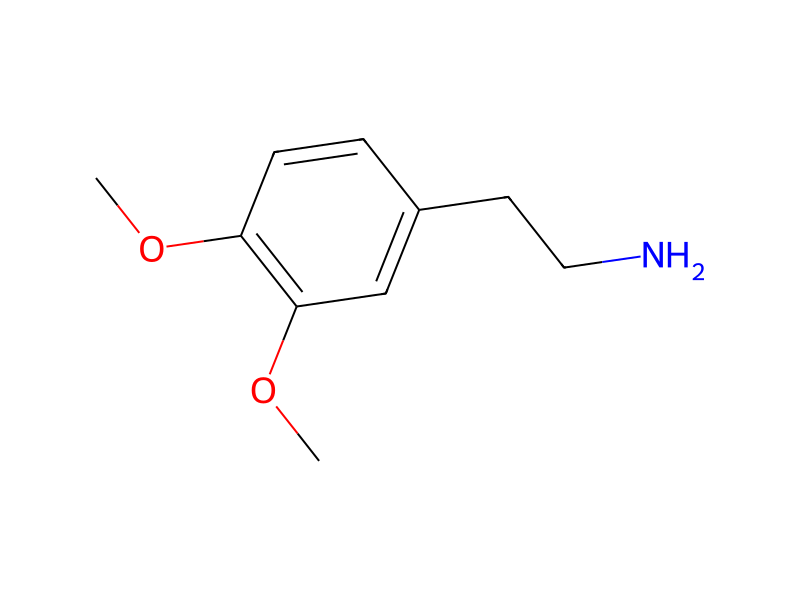
2-Chlorobenzaldehyde → 1-(2-Chlorophenyl)-6,7-dimethoxy-1,2,3,4-tetrahydroisoquinoline
반응식

[Cl:1][C:2]1[CH:9]=[CH:8][CH:7]=[CH:6][C:3]=1[CH:4]=O.[CH3:10][O:11][C:12]1[CH:13]=[C:14]([CH2:20][CH2:21][NH2:22])[CH:15]=[CH:16][C:17]=1[O:18][CH3:19]>FC(F)(F)C(O)=O>[Cl:1][C:2]1[CH:9]=[CH:8][CH:7]=[CH:6][C:3]=1[CH:4]1[C:15]2[C:14](=[CH:13][C:12]([O:11][CH3:10])=[C:17]([O:18][CH3:19])[CH:16]=2)[CH2:20][CH2:21][NH:22]1참가 물질


실험 절차
To a mixture of 2-chlorobenzaldehyde (0.5 M in dichloromethane) (800 μl) and 2-(3,4-dimethoxy-phenyl)-ethylamine (0.25 M in dichloromethane) (800 μl) was added trifluoroacetic acid (150 μl). The mixture was shaken at room temperature for 12-24 hours then evaporated to dryness. Toluene (1 ml) was added the mixture vortexed and re-evaporated to dryness. The residue was dissolved in methanol (1.5 ml) and dichloromethane (1 ml) and filtered through a SCX cartridge (Bakerbond JT7090-07, aromatic sulfonic acid). The cartridge was washed with methanol (3 ml) the product eluted with 0.5 M ammonia solution (5 ml). Product containing fractions were combined and evaporated to dryness. Toluene (1 ml) was added the mixture vortexed and re-evaporated to dryness to give 1-(2-chlorophenyl)-6,7-dimethoxy-1,2,3,4-tetrahydroisoquinoline which was used directly in the next step.
후처리
- customthen evaporated to dryness
- additionToluene (1 ml) was added the mixture
- customre-evaporated to dryness
- dissolutionThe residue was dissolved in methanol (1.5 ml)
- filtrationdichloromethane (1 ml) and filtered through a SCX cartridge (Bakerbond JT7090-07, aromatic sulfonic acid)
- washThe cartridge was washed with methanol (3 ml) the product
- washeluted with 0.5 M ammonia solution (5 ml)
- additionProduct containing fractions
- customevaporated to dryness
- additionToluene (1 ml) was added the mixture
- customre-evaporated to dryness
출처 및 근거
- ORD 기록
- ord-2af2c301f8a948af88608ea1a6f7ed04
- 출처 데이터셋
- uspto-grants-2013_01
- 특허 번호
- US08343961B2
반응 노트
불러오는 중…