Water → Calcium propionate
HRID 1838675
반응식

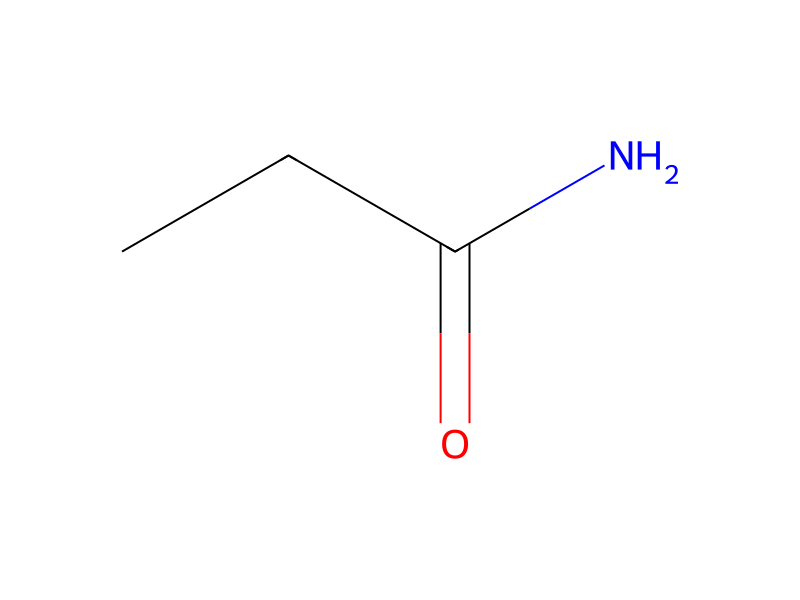
C(#N)CC.[OH-:5].[Ca+2:6].[OH-].O.[C:9](N)(=[O:12])[CH2:10][CH3:11]>>[C:9]([O-:12])(=[O:5])[CH2:10][CH3:11].[Ca+2:6].[C:9]([O-:12])(=[O:5])[CH2:10][CH3:11]참가 물질
5



반응 조건
- 온도
- 200 °C
실험 절차
Propionitrile (311.5 g, 5.66 mol, supplied by Solutia Inc., refined: 99.6% min) was charged into a one gallon 316 stainless steel autoclave through a funnel. Calcium hydroxide (229.3 g, 3.09 mol, supplied by Mississippi Lime, CODEX Hydrated Lime), and deionized water (1007.2 g, 55.9 mol) were mixed to produce a slurry and charged to the autoclave through the same funnel. A second portion of deionized water (345.1 g, 19.2 mol) was used to rinse the calcium hydroxide slurry container and was charged to the autoclave through the funnel. The autoclave was pressurized with nitrogen to 45-55 psig (310.3-379.2 KPa), and the pressure relieved to under 25 psig (172.4 KPa). This cycle was repeated two additional times to purge most of the air from the system. The pressure control valve was set to 260 psig (1792.6 KPa), and a nitrogen flow (100 std cm3/min) through the reactor vapor space was started. The autoclave agitator was started and the contents were heated to 200° C. with a mixture of steam and water under pressure in an internal coil. After the autoclave contents had been at 200° C. for one hour, the nitrogen flow was increased to 200 cm3/min to improve the control of the autoclave pressure. After the autoclave contents had been at 200° C. for a total of two hours, the steam was turned off and the reactor pressure was released through a vapor line heated to over 200° C. over a period of 40 minutes. The water and ammonia that flashed from the autoclave was trapped by passing it into a scrubber containing 4862.6 grams of ice water. This scrubber solution weighed 5414.9 grams after all of the autoclave pressure had been released. After the autoclave contents had cooled to less than 60° C. they were drained and weighed (925.1 g). Deionized water (237.2 g) was added to dissolve all of the calcium propionate. This diluted product was analyzed by the HPLC method described in Example 1 and found to contain 28.0% calcium propionate (326 g, 1.75 mol, 62% yield), 119 ppm of propionamide, and no detectable propionitrile. The scrubber solution was found to contain 0.34% calcium propionate and 1.58% ammonia. From the amount of calcium propionate in the scrubber, it was concluded that approximately 66.4 grams of the product was carried into the scrubber by entrainment and that 400 grams of water and 85.5 grams of ammonia were flashed from the autoclave. This represents 90% of the ammonia that would be expected from complete hydrolysis of the propionitrile charged to the autoclave. No attempt was made to quantify the amount of calcium propionate remaining in the reactor after the product was drained.