반응식

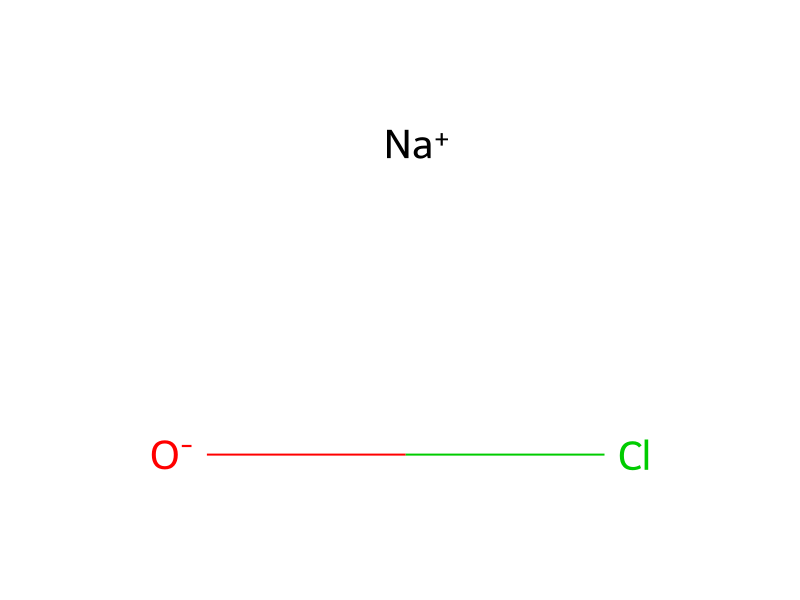
[OH:1][C:2]1[C:11]([C:12]([OH:14])=[O:13])=[CH:10][C:9]2[C:4](=[CH:5][CH:6]=[CH:7][CH:8]=2)[CH:3]=1.[Cl:15][O-].[Na+].C1C=CC(/C=C/CO[C@@H]2O[C@H](CO)[C@@H](O)[C@H](O)[C@H]2O)=CC=1>>[Cl:15][C:3]1[C:4]2[C:9](=[CH:8][CH:7]=[CH:6][CH:5]=2)[CH:10]=[C:11]([C:12]([OH:14])=[O:13])[C:2]=1[OH:1]참가 물질
4



실험 절차
Example 2 was repeated in every detail except that part of the 2-hydroxy-3-naphthoic acid in the solution thereof was reacted with sodium hypochlorite before addition of the Rosin N solution. Example 3 contained 1% (0.0007 mole), Example 4 contained 2% (0.0014 mole) and Example 5 contained 4% (0.0028 mole) of 10% sodium hypochlorite solution to form, in each case, 1-chloro-2-hydroxy-3-naphthoic acid in situ. The ratio of amino sulfonic acid/coupling component in Examples 2-5 is 1/1.07 (0.0727/0.068 moles).
출처 및 근거
- ORD 기록
- ord-29ff4b384f384f0793161e7d642d1606
- 출처 데이터셋
- uspto-grants-1980_08
- 특허 번호
- US04217273
연결된 노트
불러오는 중…