Methyl chloroformate → Vericiguat Impurity 100
HRID 1875457
반응식

[F:1][C:2]1[CH:26]=[CH:25][CH:24]=[CH:23][C:3]=1[CH2:4][C:5]1[C:9]2=[N:10][CH:11]=[CH:12][CH:13]=[C:8]2[N:7]([C:14]2[N:19]=[C:18]([NH2:20])[C:17]([NH2:21])=[C:16]([NH2:22])[N:15]=2)[N:6]=1.Cl[C:28]([O:30][CH3:31])=[O:29]>N1C=CC=CC=1>[CH3:31][O:30][C:28](=[O:29])[NH:21][C:17]1[C:16]([NH2:22])=[N:15][C:14]([N:7]2[C:8]3[C:9](=[N:10][CH:11]=[CH:12][CH:13]=3)[C:5]([CH2:4][C:3]3[CH:23]=[CH:24][CH:25]=[CH:26][C:2]=3[F:1])=[N:6]2)=[N:19][C:18]=1[NH2:20]참가 물질
4
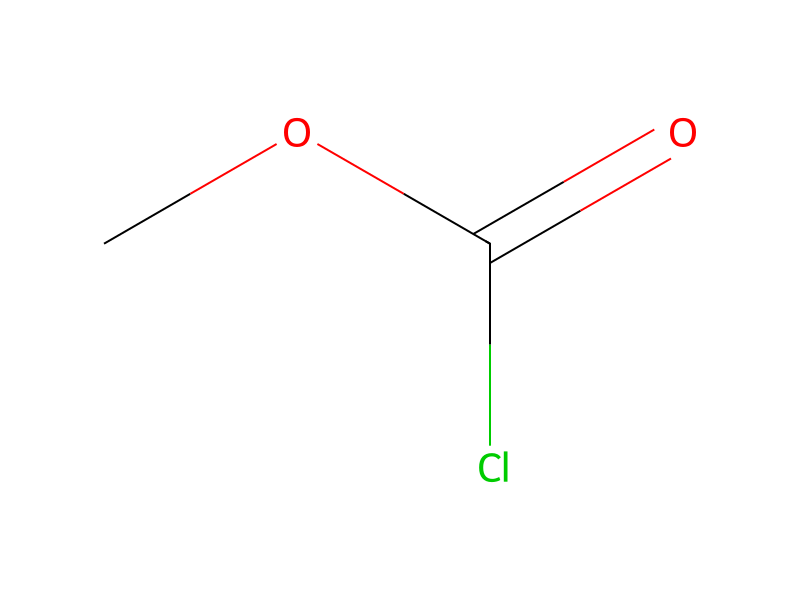



반응 조건
- 온도
- 0 °C
실험 절차
200 mg (0.57 mmol) of 2-[3-(2-fluorobenzyl)-1H-pyrazolo[4,3-b]pyridin-1-yl]pyrimidine-4,5,6-triamine from example 8 are dissolved in 10 ml of pyridine. The solution is cooled to 0° C., and 81 mg (0.86 mmol) of methyl chloroformate are added. The reaction mixture is stirred at RT overnight and then concentrated in vacuo, mixed with ethyl acetate and washed twice with water and with saturated sodium chloride solution. The organic phase is dried over sodium sulfate and concentrated in vacuo. The residue is purified by preparative HPLC to result in 125 mg (54% of theory) of the title compound as a pale beige solid.