Potassium Carbonate → 2-(4-trifluoromethylphenyl)-5-(2-trimethylsilanyl-ethoxymethyl)-5H-pyrrolo[2,3-b]pyrazine-7-carboxylic acid [(R)-2-(3-cyano-azetidin-1-yl)-1-cyclopropyl-2-oxo-ethyl]-amide
HRID 1898649
반응식

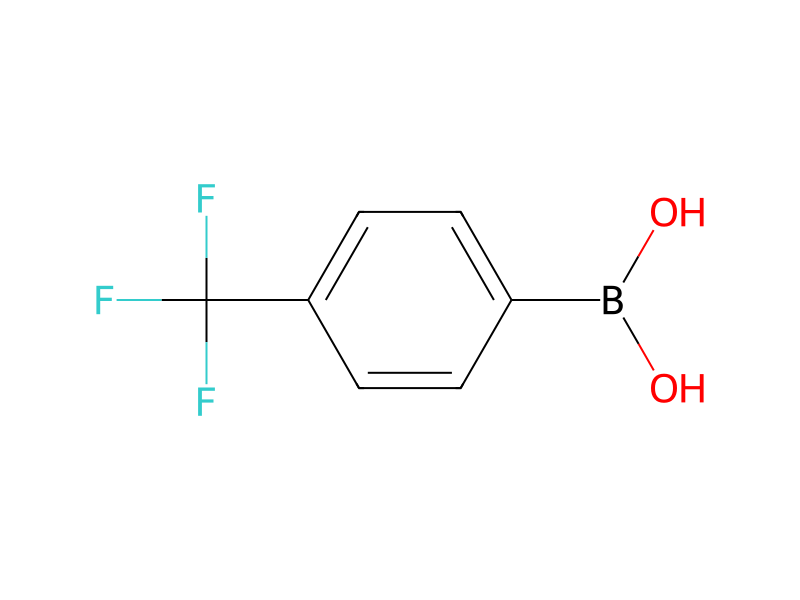
[C:1]([CH:3]1[CH2:6][N:5]([C:7](=[O:33])[C@H:8]([NH:12][C:13]([C:15]2[C:23]3[C:18](=[N:19][CH:20]=[C:21](Br)[N:22]=3)[N:17]([CH2:25][O:26][CH2:27][CH2:28][Si:29]([CH3:32])([CH3:31])[CH3:30])[CH:16]=2)=[O:14])[CH:9]2[CH2:11][CH2:10]2)[CH2:4]1)#[N:2].[F:34][C:35]([F:46])([F:45])[C:36]1[CH:41]=[CH:40][C:39](B(O)O)=[CH:38][CH:37]=1.C(=O)([O-])[O-].[K+].[K+].C(=O)(O)[O-].[Na+]>O1CCOCC1.O.[Cl-].[Cl-].C1(P([C-]2C=CC=C2)C2C=CC=CC=2)C=CC=CC=1.[C-]1(P(C2C=CC=CC=2)C2C=CC=CC=2)C=CC=C1.[Fe+2].[Pd+2].C(OCC)(=O)C>[C:1]([CH:3]1[CH2:6][N:5]([C:7](=[O:33])[C@H:8]([NH:12][C:13]([C:15]2[C:23]3[C:18](=[N:19][CH:20]=[C:21]([C:39]4[CH:40]=[CH:41][C:36]([C:35]([F:46])([F:45])[F:34])=[CH:37][CH:38]=4)[N:22]=3)[N:17]([CH2:25][O:26][CH2:27][CH2:28][Si:29]([CH3:32])([CH3:31])[CH3:30])[CH:16]=2)=[O:14])[CH:9]2[CH2:11][CH2:10]2)[CH2:4]1)#[N:2]