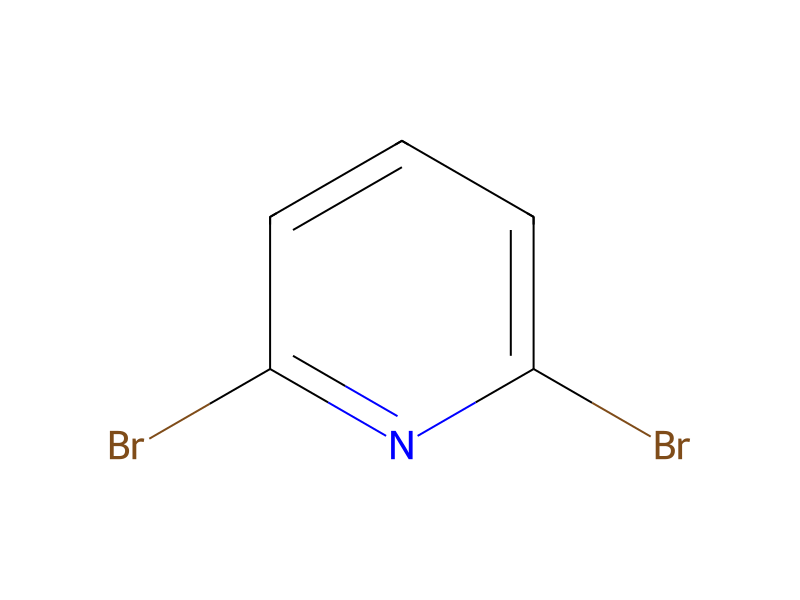
2,6-Dibromopyridine (1.0 g) and tert-butyl piperazine-1-carboxylate (870 mg) are dissolved in N,N-dimethylformamide (10 ml) and stirred at 80° C. in the presence of potassium carbonate (1.17 g) for 5 hours. To the reaction mixture is added tert-butyl piperazine-1-carboxylate (200 mg). The mixture is stirred at room temperature overnight, and then water is added. The aqueous phase is removed and extracted with dichloromethane. The combined organic phases are dried over sodium sulphate and concentrated under reduced pressure. The residue is purified by chromatography. This gives tert-butyl 4-(6-bromopyridin-2-yl)piperazine-1-carboxylate (900 mg).