3-Bromophenol → 5-Biphenyl-4-yl-2-(3-bromo-phenoxy)-6-fluoro-1H-benzoimidazole
반응식

[C:1]1([C:21]2[CH:26]=[CH:25][CH:24]=[CH:23][CH:22]=2)[CH:6]=[CH:5][C:4]([C:7]2[C:19]([F:20])=[CH:18][C:10]3[NH:11][C:12](S(C)(=O)=O)=[N:13][C:9]=3[CH:8]=2)=[CH:3][CH:2]=1.[Br:27][C:28]1[CH:29]=[C:30]([OH:34])[CH:31]=[CH:32][CH:33]=1>N1C=CC=CC=1.CCOC(C)=O>[C:1]1([C:21]2[CH:26]=[CH:25][CH:24]=[CH:23][CH:22]=2)[CH:6]=[CH:5][C:4]([C:7]2[C:19]([F:20])=[CH:18][C:10]3[NH:11][C:12]([O:34][C:30]4[CH:31]=[CH:32][CH:33]=[C:28]([Br:27])[CH:29]=4)=[N:13][C:9]=3[CH:8]=2)=[CH:3][CH:2]=1참가 물질
5
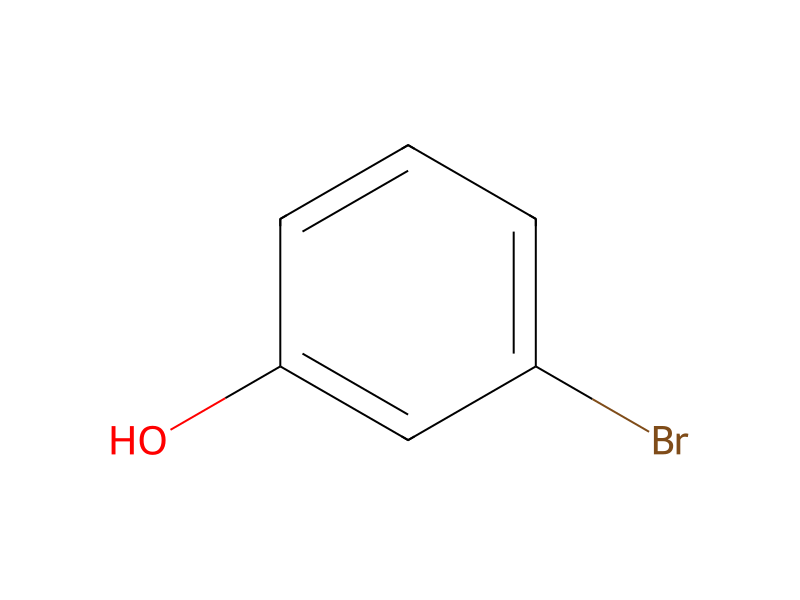




실험 절차
To a solution of compound 13-6 (1.53 g, 4.2 mmol) in 20 mL in pyridine was added 3-bromo-phenol (1.4 g, 8.4 mmol). The reaction mixture was heated to reflux and allowed to stir for 48 h. The reaction mixture was diluted with EtOAc (150 mL) and washed three times with 100 mL portions of saturated aqueous ammonium chloride. The combined organic layers were dried over MgSO4 filtered and concentrated in vacuo. The crude was purified on ISCO (EtOAc/Hexanes=1/1) to yield the title compound 13-7 along with recovered starting material 13-6.