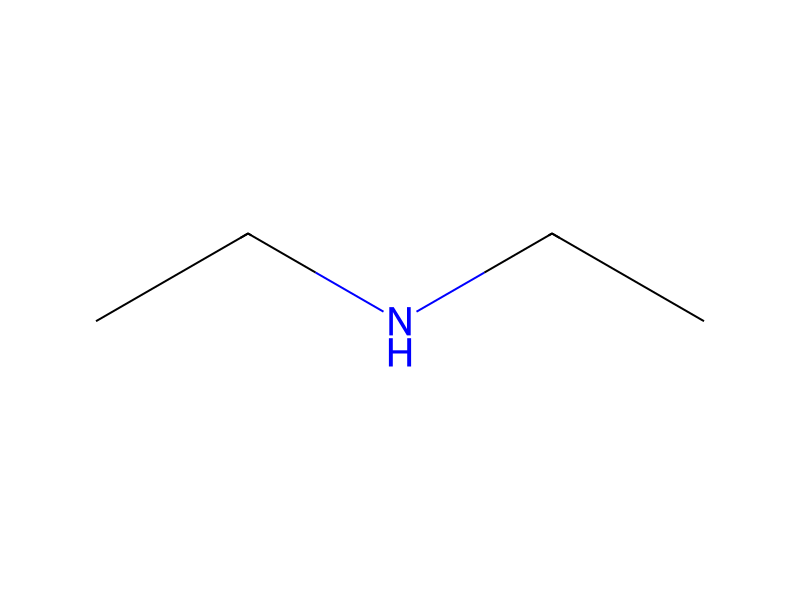
A solution of (3-(ethoxycarbonyl)-4-ethylcyclopentyl)methanesulfonic acid (3.18 g, 12.03 mmol) in DCM (10 mL) and DMF (10 mL) was cooled to about 0° C. Oxalyl chloride (24.1 mL, 48.1 mmol) was added dropwise while the temperature was kept at about 0° C. After the addition was complete, the reaction mixture was warmed to ambient temperature and stirred for about 1 h. The solvent was removed under reduced pressure. The residue was dissolved in DMF (10 mL) and then added dropwise to a solution of TEA (2.51 mL, 18.03 mmol) and diethylamine (0.937 mL, 9.02 mmol) in DMF (10 mL) at about 0° C. The reaction mixture was stirred at ambient temperature for about 16 h. The solvent was removed under reduced pressure. The material was purified by silica gel (120 g) chromatography eluting with a gradient of 10-60% EtOAc in heptane to provide ethyl 4-((N,N-diethylsulfamoyl)methyl)-2-ethylcyclopentanecarboxylate (0.570 g, 30%) as a yellow oil: LC/MS (Table 1, Method b) Rt=2.60 min; MS m/z: 320 (M+H)+.