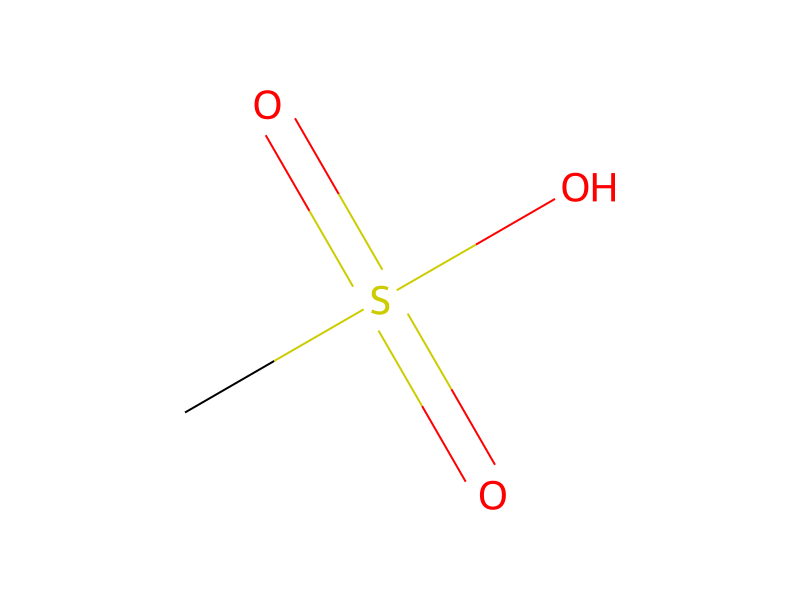
Methanesulfonic Acid → HCID 178492080, 화합물
반응식

[Cl:1][C:2]1[CH:3]=[CH:4][C:5]2[C:6](=[O:26])[C:7]3[C:14](=[O:15])[N:13]([NH:16][C:17]4[CH:22]=[CH:21][C:20]([O:23][CH3:24])=[CH:19][CH:18]=4)[C:12](=[O:25])[C:8]=3[NH:9][C:10]=2[CH:11]=1.CS(O)(=O)=O>CO>[Cl:1][C:2]1[CH:3]=[CH:4][C:5]2[C:6](=[O:26])[C:7]3[C:14]([OH:15])=[N:13][N:16]([C:17]4[CH:22]=[CH:21][C:20]([O:23][CH3:24])=[CH:19][CH:18]=4)[C:12](=[O:25])[C:8]=3[NH:9][C:10]=2[CH:11]=1참가 물질
4



실험 절차
6-Chloro-2-(4-methoxyanilino)-2,3,4,9-tetrahydro-1H-pyrrolo[3,4-b]-quinoline-1,3,9-trione (2.72 g, 7.40 mM) was stirred in methanol (200 mL), and methanesulfonic acid (50 mL) was added. The tan suspension was heated to reflux for 16 hours during which it turned yellow. This yellow suspension was cooled to room temperature and filtered (the filtrate was saved for use in Example 8). The collected solids were washed with methanol to give the title compound as a yellow powder (1.19 g, 44%), mp 371-373° C.; MS(CI): 370 (M+H). Analysis for C18H12ClN3O4: Calculated: C, 58.50; H, 3.27; N, 11.36; Found: C, 58.30; H, 3.41; N, 10.92;