홈MCP워크벤치Skills
홈워크벤치알림마이페이지
llms.txt · MCP 가이드개인정보처리방침 · 이용약관 · 지원v1.8.3
  1. 홈
  2. /반응

Triethylamine → 2-Cyclopentylbenzoxazole-4-carboxylic acid

HRID 2059676
인쇄

반응식

HRID 2059676 반응식
Br.[NH2:2][C:3]1[C:11]([OH:12])=[CH:10][CH:9]=[CH:8][C:4]=1[C:5]([OH:7])=[O:6].[CH:13]1([C:18](Cl)=O)[CH2:17][CH2:16][CH2:15][CH2:14]1.C(N(CC)CC)C.O.C1(C)C=CC(S(O)(=O)=O)=CC=1>ClCCl>[CH:13]1([C:18]2[O:12][C:11]3[C:3](=[C:4]([C:5]([OH:7])=[O:6])[CH:8]=[CH:9][CH:10]=3)[N:2]=2)[CH2:17][CH2:16][CH2:15][CH2:14]1
참가 물질실험 절차후처리출처 및 근거반응 노트

참가 물질

6

반응물 4

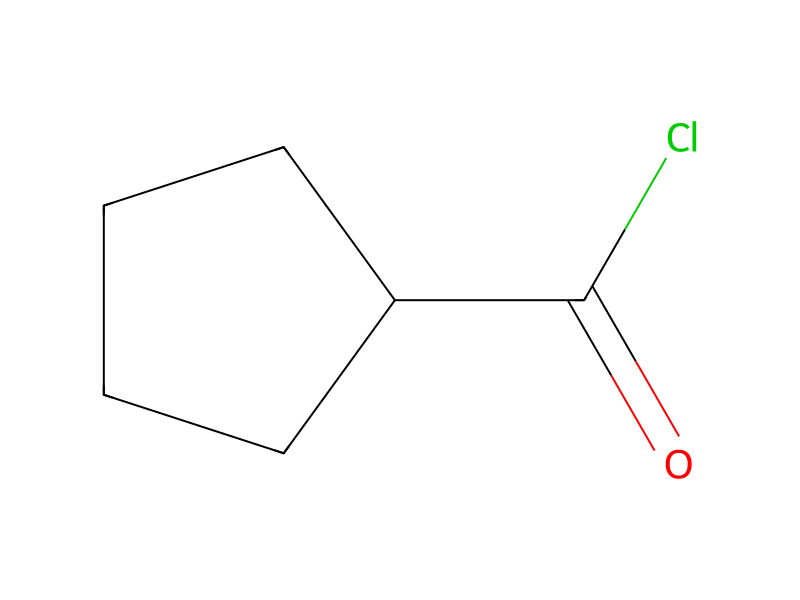
HCID 8471TriethylamineHCID 78284Cyclopentanecarbonyl chlorideHCID 521998p-Toluenesulfonic acid monohydrateHCID 668807402-Amino-3-hydroxybenzoic acid hydrobromide

생성물 1

HCID 690006862-Cyclopentylbenzoxazole-4-carboxylic acid수율 75%

시약·촉매·용매 1

HCID 6344
Dichloromethane
용매
2회

실험 절차

To a suspension of 2-amino-3-hydroxybenzoic acid hydrobromide (300 mg, 1.28 mmol) in dichloromethane (8 mL) was added cyclopentane carbonyl chloride (0.16 mL, 1.28 mmol). The resulting reaction mixture was stirred at room temperature for 10 min, then triethylamine (0.71 mL, 5.13 mmol) was added and the reaction mixture was stirred at room temperature overnight. The reaction was diluted in dichloromethane (30 mL) and quenched with aqueous 2 N HCl (10 mL) until the solution reached pH 1. The aqueous layer was further extracted with dichloromethane (2×30 mL). The organic layers were washed with water and brine, dried over Na2SO4, filtered and concentrated to an orange solid. The amide product was directly re-dissolved in toluene (8 mL) and the solution was treated with p-toluenesulfonic acid monohydrate (296 mg, 1.56 mmol). The reaction mixture was then heated to reflux for 3 h. The reaction was cooled to room temperature and the toluene was evaporated. The reaction mixture was poured into water and extracted with ethyl acetate. The organic layer was separated, washed with water, brine, dried over Na2SO4, filtered and concentrated. The crude product was purified by column chromatography (silica gel, 9:1 to 3:1 ethyl acetate/methanol) to afford 2-cyclopentylbenzoxazole-4-carboxylic acid (179 mg, 75%) as a pale orange solid: 1H NMR (500 MHz, DMSO-d6) δ 7.85-7.72 (m, 2H), 7.39-7.29 (m, 1H), 2.05-1.50 (m, 9H); MS (ESI+) m/z 232 (M+H).


후처리

  1. customThe resulting reaction mixture
  2. stirringthe reaction mixture was stirred at room temperature overnight
  3. customquenched with aqueous 2 N HCl (10 mL) until the solution
  4. extractionThe aqueous layer was further extracted with dichloromethane (2×30 mL)
  5. washThe organic layers were washed with water and brine
  6. dry with materialdried over Na2SO4
  7. filtrationfiltered
  8. concentrationconcentrated to an orange solid
  9. dissolutionThe amide product was directly re-dissolved in toluene (8 mL)
  10. temperatureThe reaction mixture was then heated
  11. temperatureto reflux for 3 h
  12. temperatureThe reaction was cooled to room temperature
  13. customthe toluene was evaporated
  14. additionThe reaction mixture was poured into water
  15. extractionextracted with ethyl acetate
  16. customThe organic layer was separated
  17. washwashed with water, brine
  18. dry with materialdried over Na2SO4
  19. filtrationfiltered
  20. concentrationconcentrated
  21. customThe crude product was purified by column chromatography (silica gel, 9:1 to 3:1 ethyl acetate/methanol)

출처 및 근거

ORD 기록
ord-137abc09ab2548bb8f842f779272a358
출처 데이터셋
uspto-grants-2012_10
DOI
10.6084/m9.figshare.5104873.v1
특허 번호
US08278301B2

반응 노트

이 페이지에서참가 물질실험 절차후처리출처 및 근거반응 노트