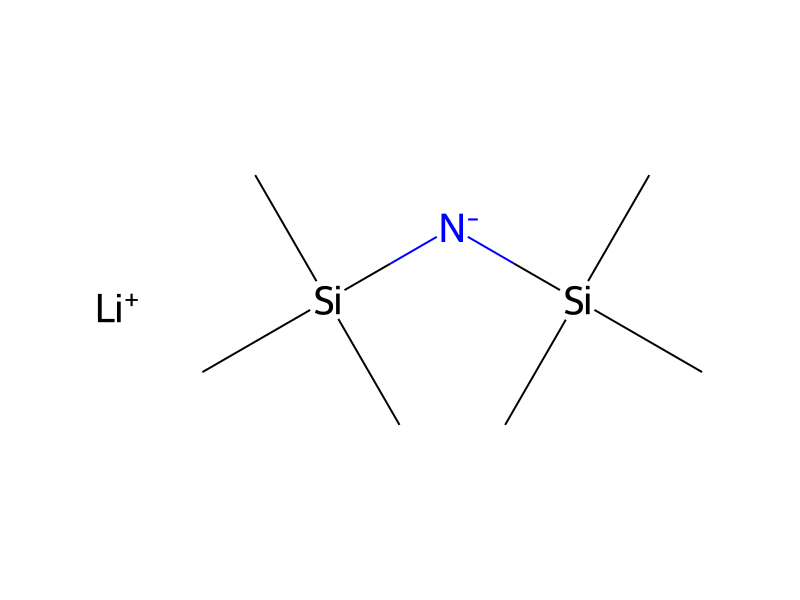
To a cold (−78° C.) solution of 2-fluoro-4-trimethylsilanyl-phenylamine (64.7 g, 353 mmol) in anhydrous THF (170 mL) was added a solution of LHMDS (555 mL, 1 M in hexanes, 555 mmol) dropwise over 45 minutes under a nitrogen atmosphere. After 2.5 hours at −78° C., a solution of 2,6-dichloro-nicotinic acid (33.8 g, 177 mmol) in anhydrous THF (100 mL) was added. The reaction mixture was stirred at −78° C. for 30 minutes then allowed to warm to room temperature. After 18 hours stirring at room temperature the reaction was quenched with crushed ice and the pH adjusted to pH 1 by the addition of concentrated HCl (ca. 90 mL). The resultant solution was extracted with ethyl acetate and the organic layer washed with water followed by brine, dried (Na2SO4), filtered and evaporated in vacuo. The resultant residue was triturated three times successively with methanol and filtered to afford the title compound as a yellow solid (46.7 g, 78%). LCMS (method B): RT=4.83 min, M+H+=339.