Ammonia → Phloretamide
HRID 2076351
반응식

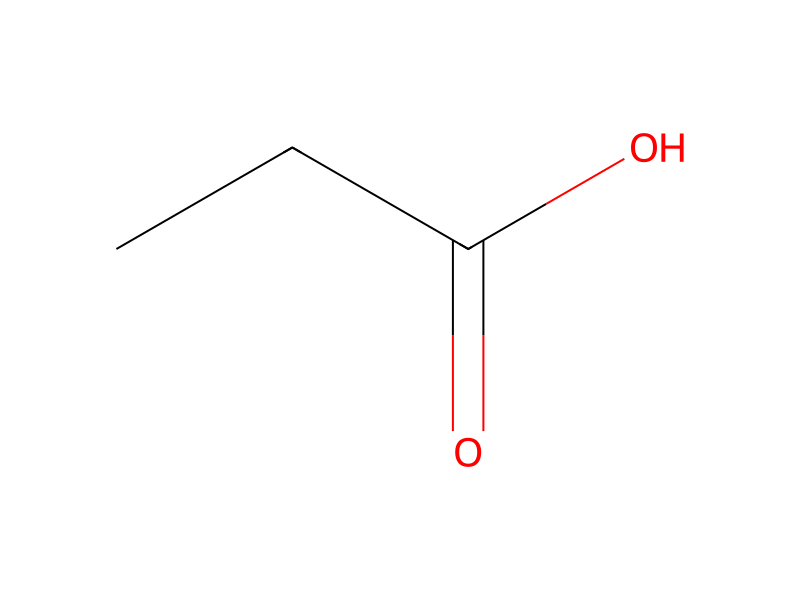
[C:1]([OH:5])(=O)[CH2:2][CH3:3].[NH3:6].[N+]([C:10]1[CH:15]=[CH:14][C:13]([OH:16])=[CH:12][CH:11]=1)([O-])=O>C(OCC)(=O)C>[OH:16][C:13]1[CH:14]=[CH:15][C:10]([CH2:3][CH2:2][C:1]([NH2:6])=[O:5])=[CH:11][CH:12]=1참가 물질
5




실험 절차
Preferentially, when in that in the manufacture of anti-aging compositions the synthesis of 3-(4-hydroxyphenyl)propanoic acid amide 0.5-5 g of 3-(4-hydroxyphenyl)propanoic acid solution are used, with 0.5-5 g 4-nitrophenol in ethyl oxide, 5-15 times excess N,N′-dicyclohexylcarbodiimide in relation to 4-nitrophenol, and the anhydrous methanol saturated with ammonia is between 5-30 cm3, wherein the reaction mixture is mixed in a temperature range of 0-10° C. for 10-50 min, whereafter it is mixed at room temperature for 1.5-3 h, then the precipitated N,N′-dicyclohexylurea is filtered out and washed in 2-15 cm3 ethyl acetate. The next subject of the present invention is an anti-aging composition, characterized in that it contains 3-(4-hydroxyphenyl)propanoic acid amide at a concentration between 1 and 500 μmol. Preferentially, the composition contains 3-(4-hydroxyphenyl)propanoic acid amide, obtained through the synthesis of 3-(4-hydroxyphenyl)propanoic acid amide is performed using active 4-nitrophenyl ester where the concentration of 3-4-hydroxyphenyl)propanoic acid is 0.12-0.0012 mol, where the reaction is performed with ammonia at room temperature, and the 4-nitrophenol in ethyl acetate is supplemented with N,N′-dicyclohexylocarbodiimide, then the reaction mixture is stirred, the N,N′-dicyclohexylurea precipitate is then filtered out and dried under vacuum, the remainder is supplemented with anhydrous methanol saturated with ammonia (10 cm3) and the reaction mixture is stirred and evaporated until dry, then the remainder is loaded onto a silica gel chromatography column, and the latter is washed with chloroform-metanol (50:1, v/v), whence the chromatographically clean product is crystallized from methanol and then dried in a vacuum dessicator over phosphorus pentoxide yielding 3-(4-hydroxyphenyl)propanoic acid amide. Preferentially, 0.5-5 g of 3-(4-hydroxyphenyl)propanoic acid solution are used, with 0.5-5 g 4-nitrophenol in ethyl oxide, 5-15 times excess N,N′-dicyclohexylcarbodiimide in relation to 4-nitrophenol, and the anhydrous methanol saturated with ammonia is between 5-30 cm3, wherein the reaction mixture is mixed in a temperature range of 0-10° C. for 10-50 min, whereafter it is mixed at room temperature for 1.5-3 h, then the precipitated N,N′-dicyclohexylurea is filtered out and washed in 2-15 cm3 ethyl acetate. Preferentially, the composition is applicable in the cosmetics and/or pharmaceutical industries.