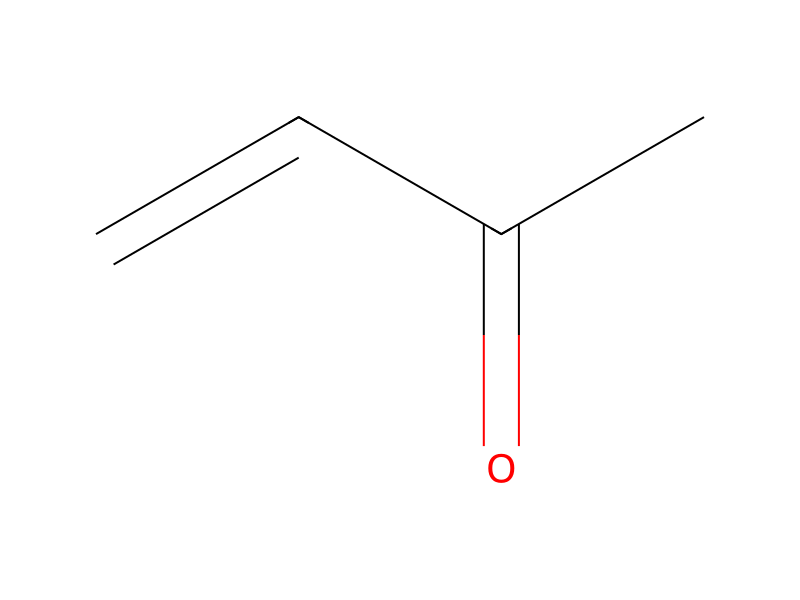
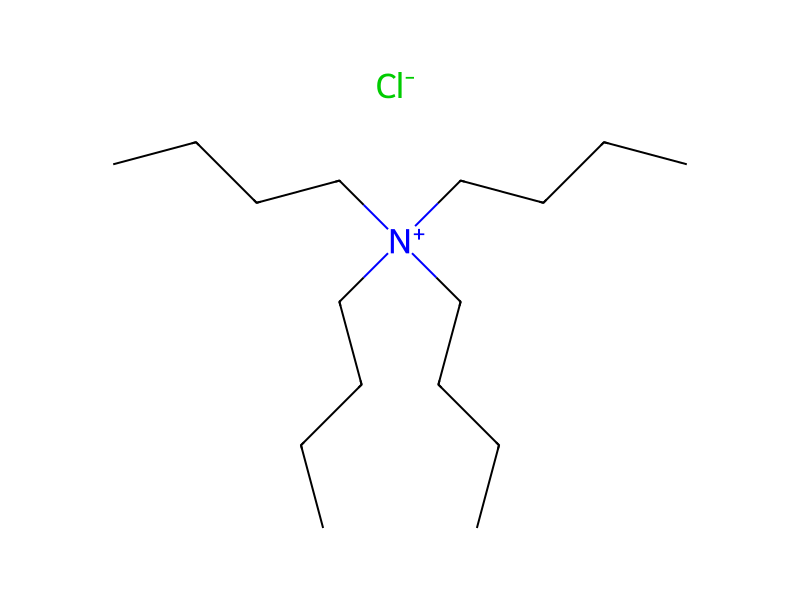
To a solution of the product from Example 7B (1.6 g, 4.43 mmole) in N,N-dimethylformamide (25 mL) was consecutively added triethylamine (8 mL), tetrabutyl ammonium chloride (1.2 g, 4.3 mmole), methylvinylketone (2 g, 28.5 mmole) and dichlorobis(triphenylphosphine)palladium(II) (155 mg, 0.22 mmole). The reaction mixture was heated at 75° C. overnight. The reaction mixture was diluted with ethyl acetate and washed with 0.5N aqueous HCl, followed by brine. The reaction mixture was dried over magnesium sulfate filtered and evaporated. The product was purified via silica column, using a gradient of 5-25% ethyl acetate in hexane, to yield 1.15 g (85%) of orange solid. 1H NMR (300 MHz, CDCl3) δ ppm 7.50 (d, J=15.44 Hz, 1H) 7.42 (s, 1H) 7.13-7.24 (m, 2 H) 6.84-7.00 (m, 2H) 6.23 (d, J=15.81 Hz, 1H) 4.38-4.63 (m, 1H) 2.30 (s, 3H) 1.35 (t, J=5.52 Hz, 6H). Mass spectrum DCI 304 (M+H)+.