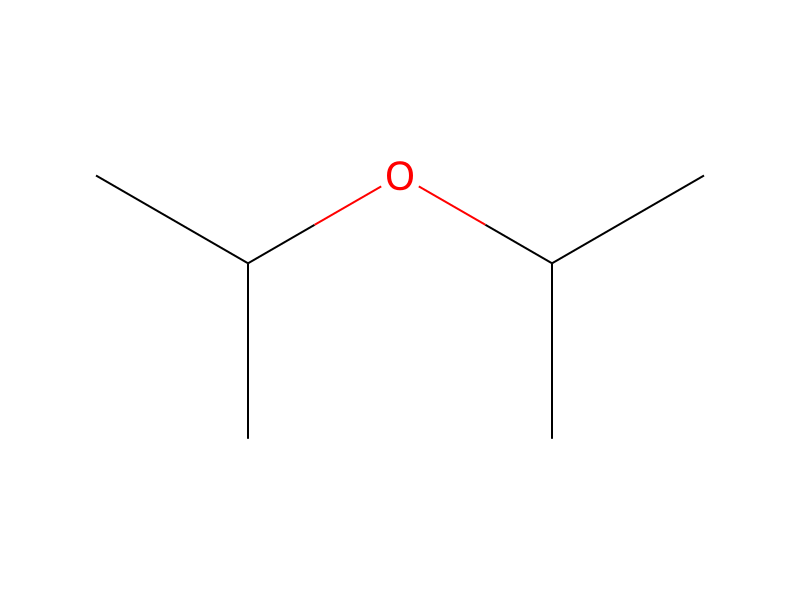
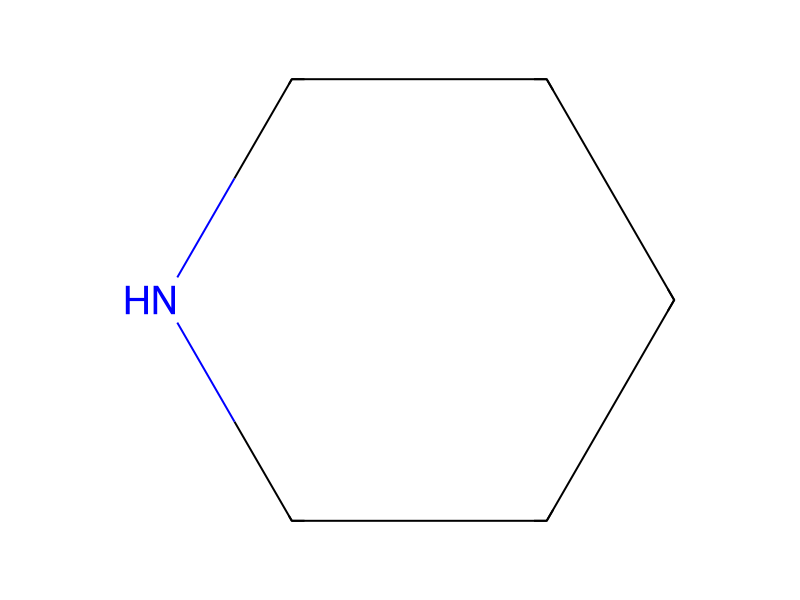
[NH:1]1[CH2:6][CH2:5][CH2:4][CH2:3][CH2:2]1.[Cl:7][C:8]1[N:17]=[C:16]2[C:11]([CH:12]=[CH:13][C:14]([N:18]3[CH:26]([O:27]C(OC4C=CC=CC=4)=O)[C:25]4[C:20](=[N:21][CH:22]=[CH:23][N:24]=4)[C:19]3=[O:37])=[N:15]2)=[CH:10][CH:9]=1.[CH:38]([O:41]C(C)C)(C)C>CN(C)C=O>[Cl:7][C:8]1[N:17]=[C:16]2[C:11]([CH:12]=[CH:13][C:14]([N:18]3[CH:26]([O:27][C:38]([N:1]4[CH2:6][CH2:5][CH2:4][CH2:3][CH2:2]4)=[O:41])[C:25]4[C:20](=[N:21][CH:22]=[CH:23][N:24]=4)[C:19]3=[O:37])=[N:15]2)=[CH:10][CH:9]=1A solution of piperidine (3.06 g.) in anhydrous dimethylformamide (5 cc.) is added to a suspension of 6-(7-chloro-1,8-naphthyridin-2-yl)-7-oxo-5-phenoxycarbonyloxy-6,7-dihydro-5H-pyrrolo[3,4-b]pyrazine (5.2 g.) in anhydrous dimethylformamide (21 cc.). The reaction mixture is stirred for 15 minutes at a temperature of about 25° C., after which diisopropyl ether (75 cc.) is added. The insoluble product is filtered off, washed with diisopropyl ether (4 × 10 cc.) and then treated with methylene chloride (100 cc.). A slight amount of insoluble matter is filtered off, and the organic solution obtained is then washed by twice successively decanting it with 1N sodium hydroxide solution (25 cc.) and water (25 cc.), dried over anhydrous sodium sulphate and evaporated to dryness under reduced pressure. After recrystallising the residue obtained from acetonitrile (130 cc.), 6-(7-chloro-1,8-naphthyridin-2-yl)-7-oxo-5-piperidinocarbonyloxy-6,7-dihydro-5H-pyrrolo[3,4-b]-pyrazine (2.25 g.), melting at 249° C., is obtained.