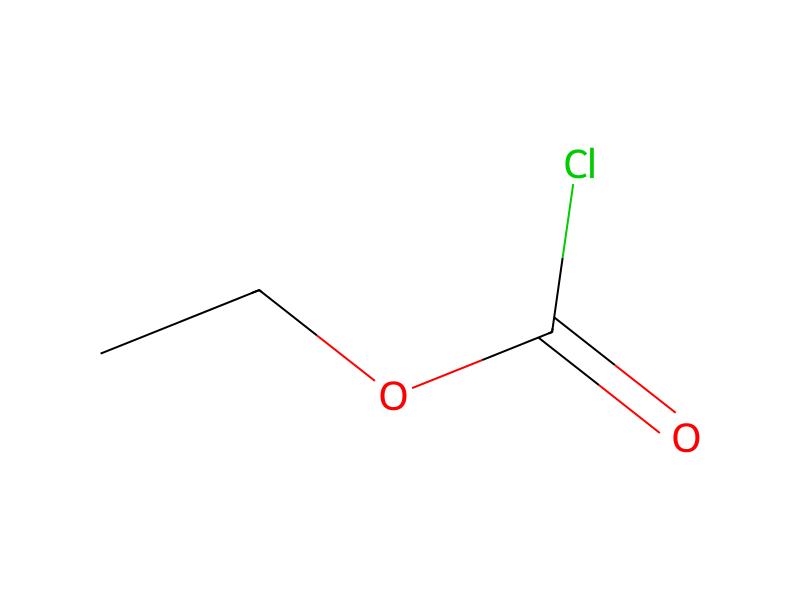
[NH2:1][N:2]1[CH:6]=[CH:5][C:4]([C:7]2[CH:12]=[CH:11][CH:10]=[CH:9][CH:8]=2)=[C:3]1[C:13]([O:15][CH3:16])=[O:14].[CH2:17]([O:19][C:20](Cl)=[O:21])[CH3:18].O>C(Cl)Cl>[CH2:17]([O:19][C:20]([NH:1][N:2]1[CH:6]=[CH:5][C:4]([C:7]2[CH:12]=[CH:11][CH:10]=[CH:9][CH:8]=2)=[C:3]1[C:13]([O:15][CH3:16])=[O:14])=[O:21])[CH3:18]Methyl 1-amino-3-phenyl-1H-pyrrole-2-carboxylate (0.200 g, 0.925 mmol) was dissolved in CH2Cl2 (20 mL) and then was added TEA (0.387 mL, 2.77 mmol), followed by ethylchloroformate (0.0890 mL, 0.925 mmol). The reaction mixture was stirred at room temperature for overnight. Water (50 mL) was added to reaction mixture and the aqueous mixture was extracted with CH2Cl2 (25×2 mL). The organic layer separated and dried over anhydrous sodium sulfate and concentrated under reduced pressure. The residue was purified by silica gel column chromatography using CombiFlash (REDISEP®, silica gel, 24 g, 15% EtOAc/hexanes) to afford methyl 1-((ethoxycarbonyl)amino)-3-phenyl-1H-pyrrole-2-carboxylate (0.100 g, 37.5%). LCMS Condition B-39: retention time 2.14 min, [M+1]=289.0.