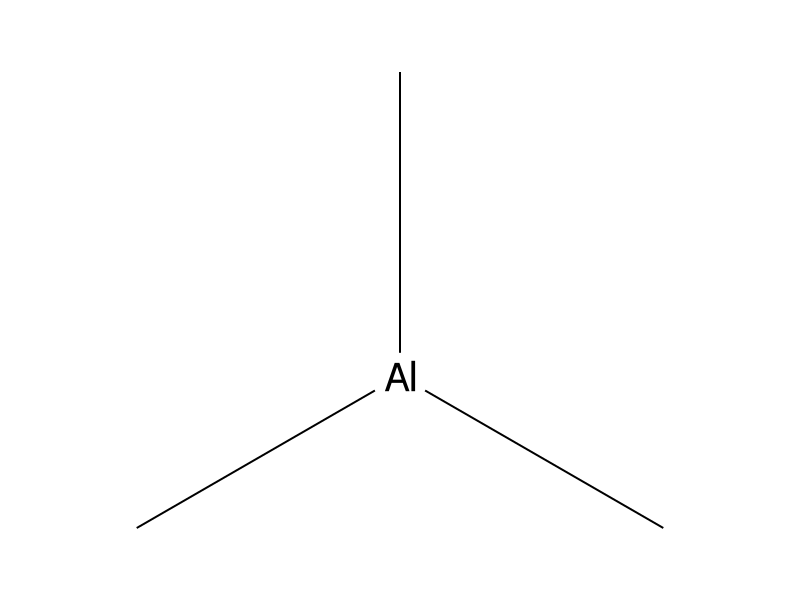
A solution of ethyl 6-(3-ethylureido)-4-(pyridin-3-ylamino)nicotinate (0.60 g, 1.82 mmol) and aniline (250 μL, 2.73 mmol) in THF (10 mL) was purged with nitrogen for 15 minutes. To this solution was added trimethylaluminium (2M in toluene, 5.40 mL, 10.80 mmol) dropwise over 10-15 min. The reaction mixture was heated at 125° C. for 30 min in a microwave reactor. The reaction mass was then quenched with water and extracted with EtOAc (3×1000 mL). The organics were combined, washed with brine, dried over anhydrous Na2SO4, filtered and concentrated under reduced pressure. The residue thus obtained was purified by preparative HPLC to afford Compound 13 (0.28 g, 41%) as an off-white solid. 1H NMR (300 MHz, DMSO-d6): δ 10.32 (s, 1H), 9.89 (s, 1H), 9.15 (s, 1H), 8.59 (s, 1H), 8.54 (s, 1H), 8.35 (d, J=4.8 Hz, 1H), 7.93 (br s, 1H), 7.73 (t, J=8.0 Hz, 3H), 7.45-7.41 (m, 1H), 7.37 (t, J=7.6 Hz, 2H), 7.23 (s, 1H), 7.13 (t, J=7.6 Hz, 1H), 3.16-3.13 (m, 2H), 1.08 (t, J=7.2 Hz, 3H). [M+H]+ m/z=377.22.