Borane → 2-[3-(2-ethylamino-ethylamino)-propyl]-4-methyl-1H-pyrrole-3-carboxylic acid ethyl ester
반응식

[CH2:1]([O:3][C:4]([C:6]1[C:10]([CH3:11])=[CH:9][NH:8][C:7]=1[CH2:12][CH2:13][C:14](=O)[NH:15][CH2:16][CH2:17][NH:18][C:19](=O)[CH3:20])=[O:5])[CH3:2].B>O1CCCC1>[CH2:1]([O:3][C:4]([C:6]1[C:10]([CH3:11])=[CH:9][NH:8][C:7]=1[CH2:12][CH2:13][CH2:14][NH:15][CH2:16][CH2:17][NH:18][CH2:19][CH3:20])=[O:5])[CH3:2]참가 물질
4
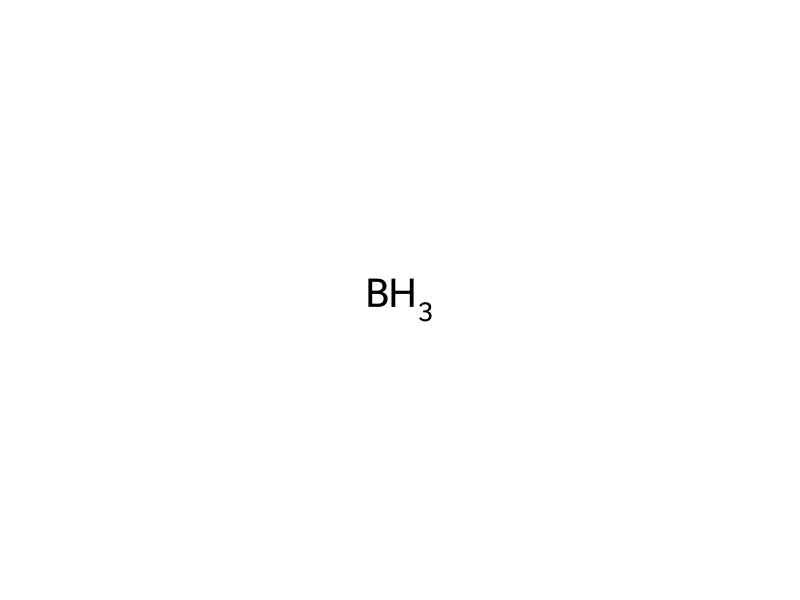



실험 절차
2-[2-Acetylamino-ethylcarbamoyl)-ethyl]-4-methyl-1H-pyrrole-3-carboxyl is acid ethyl ester 62b (600 mg, 1.94 mmol) was dissolved in 4 ml of tetrahydrofuran under stirring, and added with a solution of borane in tetrahydrofuran (7.79 ml, 1 mol/L, 7.79 mmol) to the solution in an ice-water bath under an argon atmosphere. Upon completion of the addition, the reaction mixture was heated to reflux for 2 hours. After thin lay chromatography showed the disappearance of starting materials, the reaction mixture was quenched with hydrochloric acid, stirred for 30 minutes at room temperature, adjusted to about pH 12 with aqueous sodium hydroxide solution (10%) and extracted with ethyl acetate (30 ml×3). The combined organic extracts were washed with saturated brine (30 ml), dried over anhydrous magnesium sulfate, filtered to remove the drying agent and concentrated under reduced pressure. The residue was purified by silica gel column chromatography to obtain the title compound 2-[3-(2-ethylamino-ethylamino)-propyl]-4-methyl-1H-pyrrole-3-carboxylic acid ethyl ester 62c (170 mg, yield 31%) as a white solid.