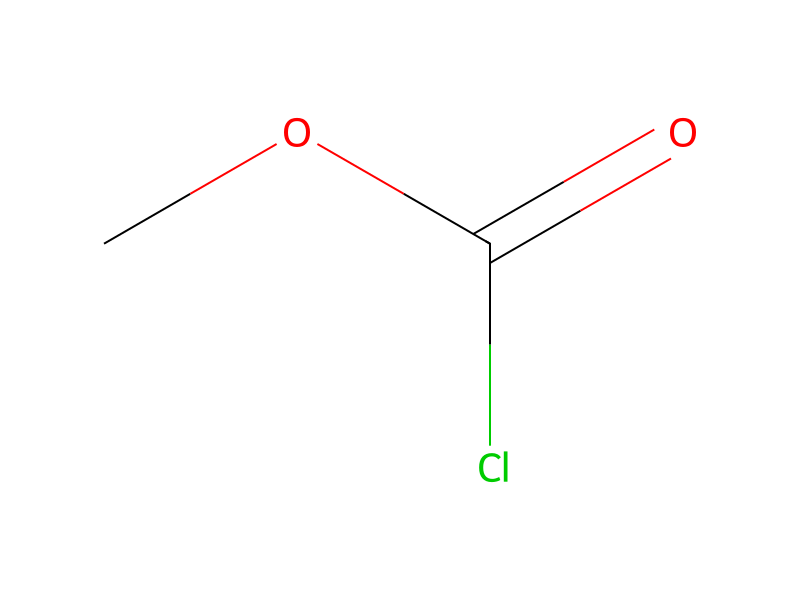
Methyl chloroformate → tert-Butyl methyl {1-[3-(trifluoromethyl)phenyl]ethane-1,2-diyl}biscarbamate
반응식

[NH2:1][CH2:2][CH:3]([NH:14][C:15](=[O:21])[O:16][C:17]([CH3:20])([CH3:19])[CH3:18])[C:4]1[CH:9]=[CH:8][CH:7]=[C:6]([C:10]([F:13])([F:12])[F:11])[CH:5]=1.C(N(CC)CC)C.Cl[C:30]([O:32][CH3:33])=[O:31]>ClCCl>[F:11][C:10]([F:13])([F:12])[C:6]1[CH:5]=[C:4]([CH:3]([NH:14][C:15](=[O:21])[O:16][C:17]([CH3:18])([CH3:20])[CH3:19])[CH2:2][NH:1][C:30](=[O:31])[O:32][CH3:33])[CH:9]=[CH:8][CH:7]=1참가 물질
5




실험 절차
Of the compound from Example 101A, 500 mg (1.64 mmol) were introduced in dichloromethane together with 320 μl (2.30 mmol) of triethylamine, with ice cooling, and 152 μl (1.97 mmol) of methyl chloroformate were added. The ice bath was removed and the mixture was stirred for a further 1 h. The solvent was removed on a rotary evaporator and the residue was purified by preparative HPLC [Method 20]. The product fractions were combined and freed from the solvents on a rotary evaporator, and the residue was dried in an HV. This gave 428 mg (72% of theory) of the title compound.