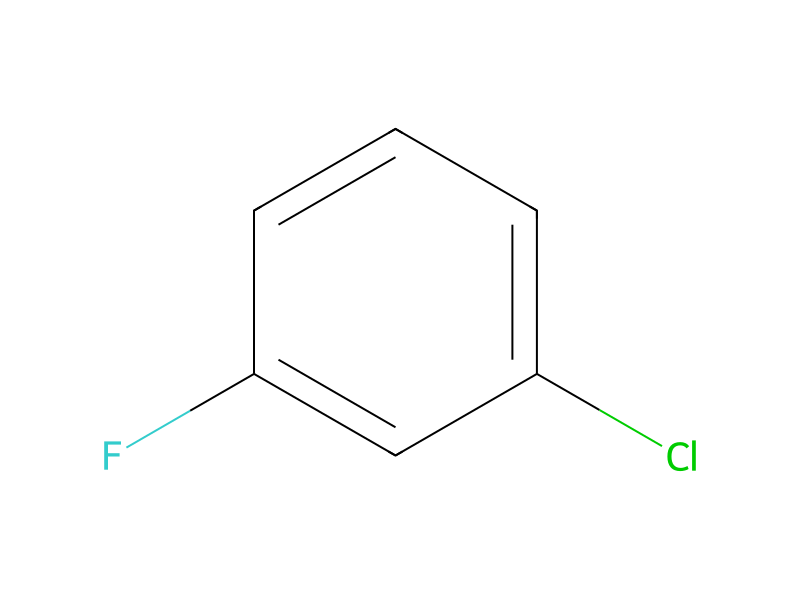
2-(1H-1,2,4-Triazol-3-yl)pyridine (1.0 g, 6.8 mmol), potassium carbonate (1.88 g, 13.6 mmol) and 1-chloro-3-fluorobenzene (0.89 g, 6.8 mmol) were stirred in DMF (20 mL) at ambient temperature. The resulting reaction mixture was heated at 100° C. for 16 h, after which time it was quenched with H2O (50 mL) and diluted with EtOAc (200 mL). The EtOAc solution was washed with H2O (3×100 mL), then brine (100 mL) and dried (MgSO4), filtered and concentrated in vacuo. The residue was chromatographed on silica gel, eluting with hexanes: EtOAc (40:60) to afford 2-[1-(3-chlorophenyl)-1H-1,2,4-triazol-3-yl]pyridine as a white solid which was then dissolved in dichloromethane (5 mL) and precipitated as the hydrochloride salt (M.p.=221–223° C.) upon treatment with 1M HCl in diethyl ether (5 mL).