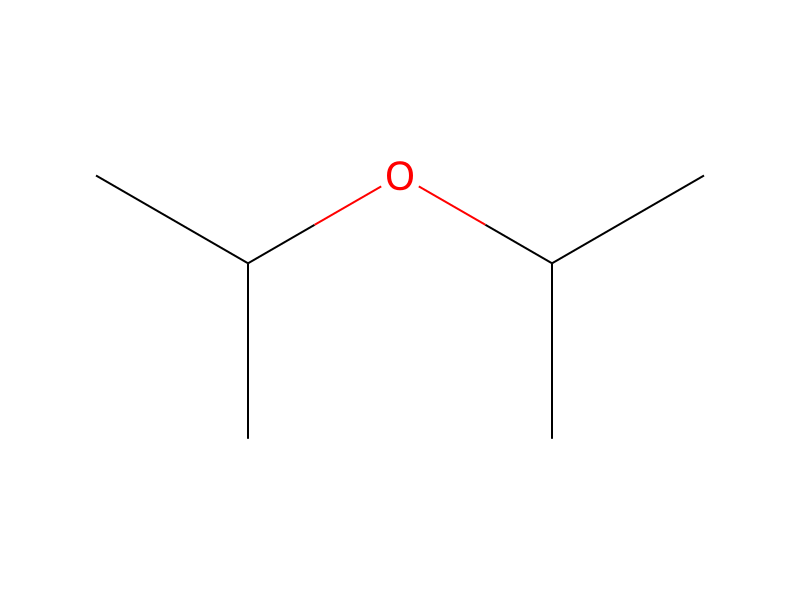
The procedure used in stage 1 of Example 1 is followed, but starting from 1 g of 1,2-diamino-4-(trifluoromethoxy)benzene, 1.3 ml of triethylamine and 1.15 g of fluoren-4-one-9-carboxylic acid chloride in 30 ml of dichloromethane. After stirring for 20 hours at room temperature, the precipitate that formed is filtered off, and washed with dichloromethane, with water, and then with a 10% saturated aqueous solution of sodium hydrogen carbonate and, finally, with water. After drying and formation of a paste with diisopropyl ether, in this way we obtain 485 mg of (2-amino-4-trifluoromethoxyphenyl)amide of 9-oxo-9H-fluorene-4-carboxylic acid, in the form of a yellow powder, which is used as it is in the following stage, with the following characteristics: