Potassium Carbonate → HCID 59596668, 화합물
반응식

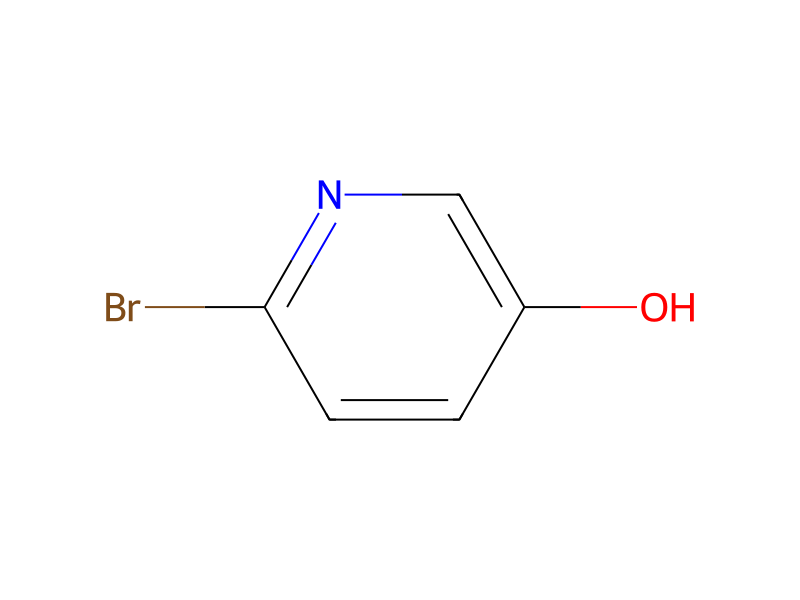
[Br:1][C:2]1[N:7]=[CH:6][C:5]([OH:8])=[CH:4][CH:3]=1.C(=O)([O-])[O-].[K+].[K+].Br[CH2:16][C:17]1[CH:22]=[CH:21][CH:20]=[CH:19][C:18]=1[F:23]>CC(C)=O>[Br:1][C:2]1[CH:3]=[CH:4][C:5]([O:8][CH2:16][C:17]2[CH:22]=[CH:21][CH:20]=[CH:19][C:18]=2[F:23])=[CH:6][N:7]=1참가 물질
5




실험 절차
To a solution of 6-bromo-3-pyridinol (commercial source, 0.870 g, 5.0 mmol) in acetone (20 ml) were added potassium carbonate (1.04 g, 7.5 mmol) and 1-(bromomethyl)-2-fluorobenzene (Aldrich, 1.2 ml, 10.0 mmol) and the mixture was stirred for three hours at r.t. The solvent was evaporated and the residue was diluted with water and extracted with ethyl acetate. The organic layer was dried (Na2SO4), filtered and evaporated. The residue was purified by chromatography on silica gel using cyclohexane/ethyl acetate (1:0 to 98:2) to afford the title compound as a white solid (1.28 g, 90%). MS: (ES/+) m/z: 282, 284 [MH]+ C12H9BrFNO requires 281, 283; 1H NMR (400 MHz, CDCl3) δ (ppm): 8.12-8.20 (m, 1H); 7.43-7.53 (m, 1H); 7.32-7.43 (m, 2H); 7.16-7.24 (m, 2H); 7.07-7.16 (m, 1H); 5.17 (s, 2H).