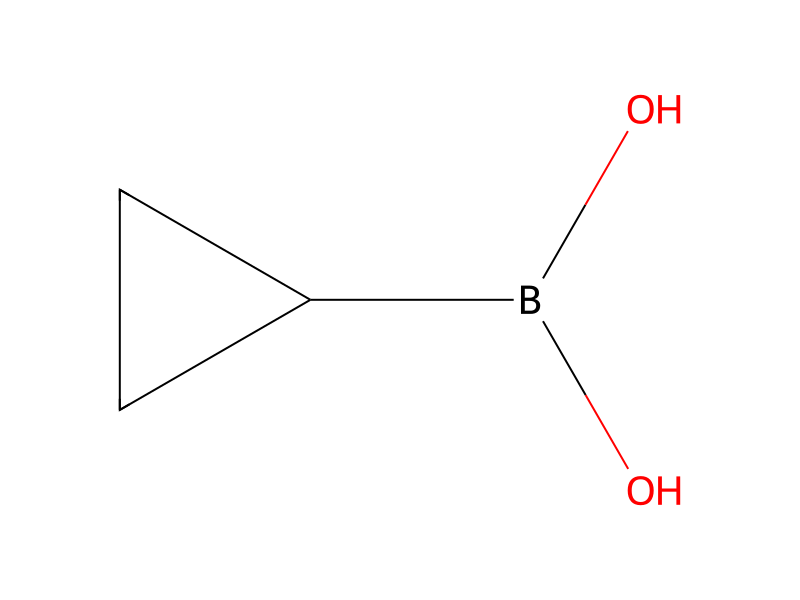
A solution of cyclopropyl boronic acid (347 mg), palladium acetate (II) (31 mg), tricyclohexylphosphine tetrafluoroborate (99 mg), and potassium phosphate (1 g) in toluene (20 mL) and water (1 mL) was added to 7-bromo-2-methyl-5-nitro-2H-indazole obtained in Example 65 (Step 1) (361 mg), and the reaction solution was stirred at 100° C. for 11 hours. After dilution with ethyl acetate, the reaction solution was washed successively with water and a saturated saline solution. After drying over anhydrous sodium sulfate, the solvent was evaporated under vacuum. The resultant residue was purified by column chromatography on silica gel (developing solvent:hexane/ethyl acetate) to obtain 7-cyclopropyl-2-methyl-5-nitro-2H-indazole.