홈MCP워크벤치Skills
홈워크벤치알림마이페이지
llms.txt · MCP 가이드개인정보처리방침 · 이용약관 · 지원v1.8.0
  1. 홈
  2. /반응

Cesium carbonate → HCID 69918812, 화합물

HRID 2307737
노트
인쇄 미리보기

반응식

HRID 2307737 반응식
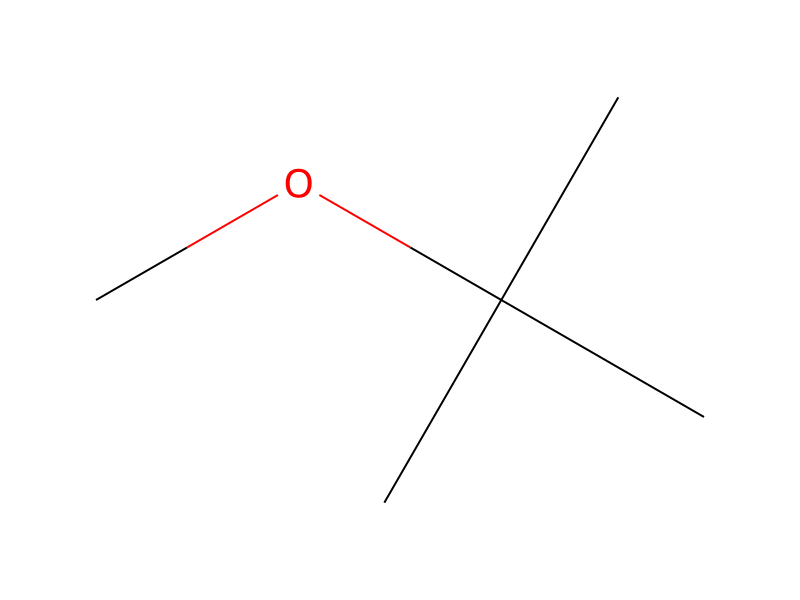
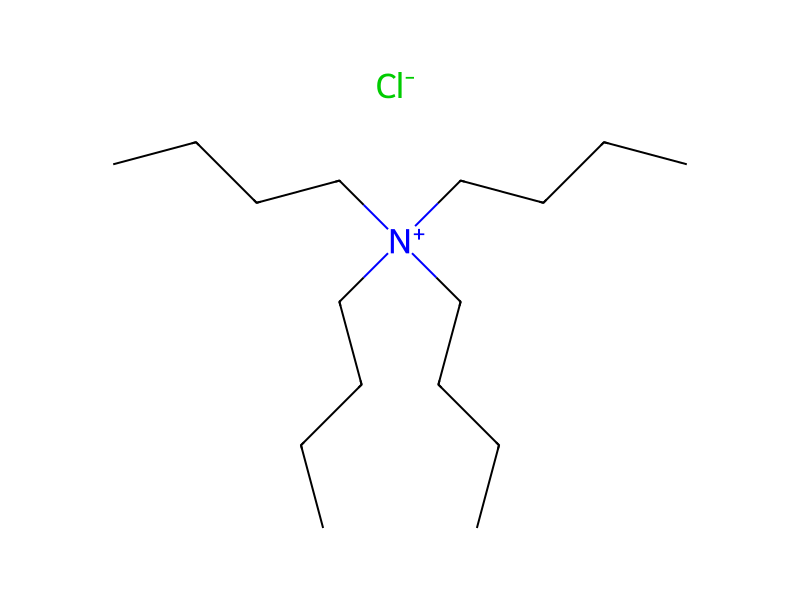
[C:1]([O:4][C@H:5]1[C@@H:11]([O:12][C:13](=[O:15])[CH3:14])[C@H:10]([O:16][C:17](=[O:19])[CH3:18])[C@@H:9]([CH2:20][O:21][C:22](=[O:24])[CH3:23])[O:8][CH:6]1[OH:7])(=[O:3])[CH3:2].C(=O)([O-])[O-].[Cs+].[Cs+].C([O:38][C:39](=[O:49])[CH:40]([C:43]1[CH:48]=[CH:47][CH:46]=[CH:45][CH:44]=1)[CH2:41]Br)C1C=CC=CC=1.COC(C)(C)C>[Cl-].C([N+](CCCC)(CCCC)CCCC)CCC.O1CCOCC1>[C:1]([O:4][C@H:5]1[C@@H:11]([O:12][C:13](=[O:15])[CH3:14])[C@H:10]([O:16][C:17](=[O:19])[CH3:18])[C@@H:9]([CH2:20][O:21][C:22](=[O:24])[CH3:23])[O:8][CH:6]1[O:7][CH2:41][CH:40]([C:43]1[CH:48]=[CH:47][CH:46]=[CH:45][CH:44]=1)[C:39]([OH:49])=[O:38])(=[O:3])[CH3:2]
참가 물질반응 조건실험 절차후처리출처 및 근거반응 노트

참가 물질

7

반응물 4

HCID 10796Cesium carbonateHCID 15413tert-Butyl methyl etherHCID 117598232,3,4,6-TETRA-O-ACETYL-D-MANNOPYRANOSEHCID 12021262HCID 12021262, 화합물

생성물 1

HCID 69918812HCID 69918812, 화합물

시약·촉매·용매 2

HCID 70681
Tetrabutylammonium Chloride
촉매
HCID 312751,4-Dioxane용매2회

반응 조건

온도
0 °C

실험 절차

A mixture that consists of 34.83 g (100 mmol) of 2,3,4,6-tetra-O-acetyl-mannopyranose, 1.39 g (5 mmol) of tetrabutylammonium chloride and 35.8 g (110 mmol) of fine-powder cesium carbonate in 400 ml of dioxane is cooled to 0° C. At 0° C., 47.88 g (150 mmol) of 2-phenyl-3-bromopropionic acid-benzyl ester, dissolved in 30 ml of dioxane, is added in drops over 10 minutes while being stirred vigorously. It is stirred for one hour at 0° C. 250 ml of MTB (methyl-tert-butyl ether) is added, solid is filtered out, and the filtrate is evaporated to the dry state in a vacuum. The residue is taken up in 500 ml of tetrahydrofuran. 5 g of palladium (10%) on activated carbon is added thereto and hydrogenated until hydrogen absorption is completed. Then, catalyst is filtered out, it is rewashed with a little tetrahydrofuran, the organic solutions are combined, and it is evaporated to the dry state in a vacuum. The residue is chromatographed on silica gel (mobile solvent: dichloromethane/n=hexane/ethanol/acetic acid=20:5:3:0.5). The product-containing fractions are concentrated by evaporation, dissolved in 400 ml of ethyl acetate and shaken out three times with 200 ml of water. Then, the organic phase is separated and evaporated to the dry state in a vacuum.


후처리

  1. additionis added in drops over 10 minutes
  2. stirringIt is stirred for one hour at 0° C
  3. filtrationsolid is filtered out
  4. customthe filtrate is evaporated to the dry state in a vacuum
  5. addition5 g of palladium (10%) on activated carbon is added
  6. customhydrogenated until hydrogen absorption
  7. filtrationThen, catalyst is filtered out
  8. customit is evaporated to the dry state in a vacuum
  9. customThe residue is chromatographed on silica gel (mobile solvent: dichloromethane/n=hexane/ethanol/acetic acid=20:5:3:0.5)
  10. concentrationThe product-containing fractions are concentrated by evaporation
  11. dissolutiondissolved in 400 ml of ethyl acetate
  12. stirringshaken out three times with 200 ml of water
  13. customThen, the organic phase is separated
  14. customevaporated to the dry state in a vacuum

출처 및 근거

ORD 기록
ord-8af903ae63484910bae509eb8211fc36
출처 데이터셋
uspto-grants-2004_12
DOI
10.6084/m9.figshare.5104873.v1
특허 번호
US06831164B2

반응 노트

불러오는 중…

이 페이지에서참가 물질반응 조건실험 절차후처리출처 및 근거반응 노트