홈MCPSkills워크벤치OpenChem
홈워크벤치알림마이페이지
llms.txt · skill.md · MCP 가이드개인정보처리방침 · 이용약관 · 지원v1.8.5
  1. 홈
  2. /반응

Potassium Carbonate → 2,3,5-Tri-O-benzoyl-1-O-carboxymethyl-ribofuranose

HRID 2307743
인쇄

반응식

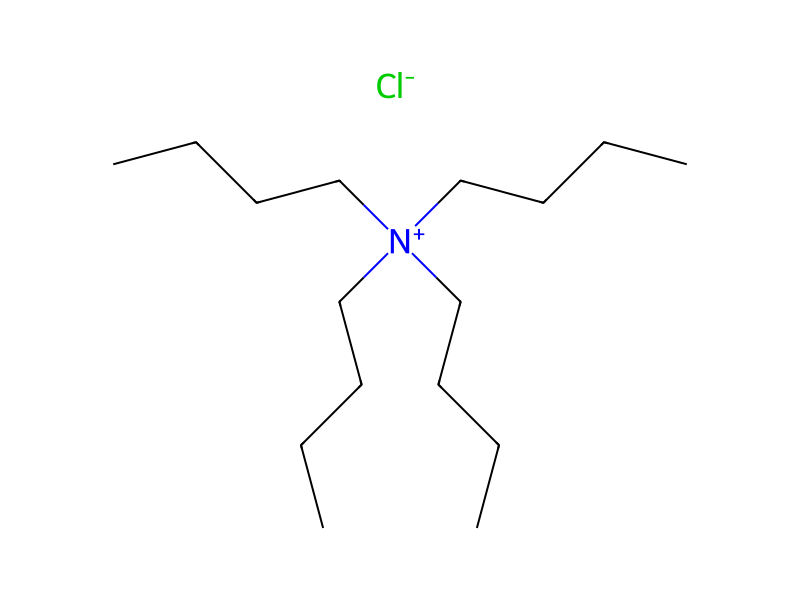
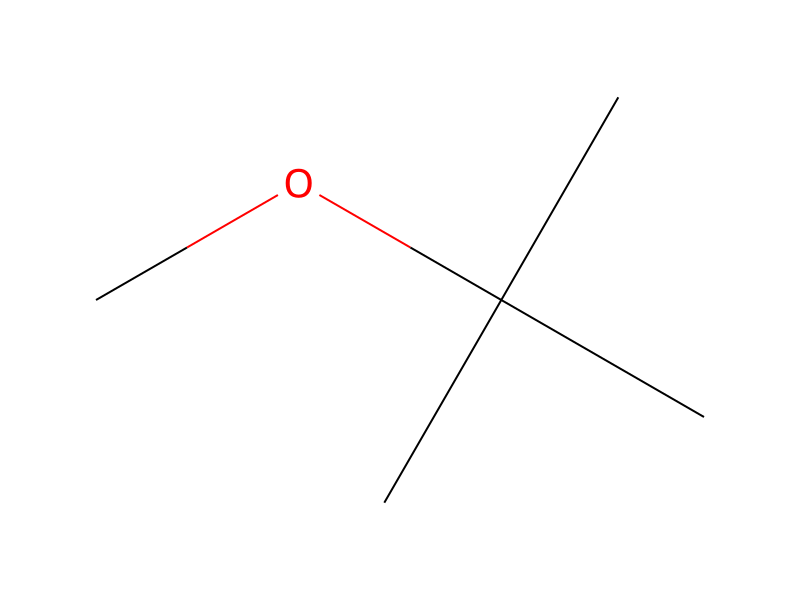
[C:1]([O:9][C@@H:10]1[C@H:15]([O:16][C:17](=[O:24])[C:18]2[CH:23]=[CH:22][CH:21]=[CH:20][CH:19]=2)[C@@H:14]([CH2:25][O:26][C:27](=[O:34])[C:28]2[CH:33]=[CH:32][CH:31]=[CH:30][CH:29]=2)[O:13][CH:11]1[OH:12])(=[O:8])[C:2]1[CH:7]=[CH:6][CH:5]=[CH:4][CH:3]=1.C(=O)([O-])[O-].[K+].[K+].C([O:48][C:49](=[O:52])[CH2:50]Br)C1C=CC=CC=1>[Cl-].C([N+](CCCC)(CCCC)CCCC)CCC.COC(C)(C)C>[C:1]([O:9][C@@H:10]1[C@H:15]([O:16][C:17](=[O:24])[C:18]2[CH:23]=[CH:22][CH:21]=[CH:20][CH:19]=2)[C@@H:14]([CH2:25][O:26][C:27](=[O:34])[C:28]2[CH:29]=[CH:30][CH:31]=[CH:32][CH:33]=2)[O:13][CH:11]1[O:12][CH2:50][C:49]([OH:52])=[O:48])(=[O:8])[C:2]1[CH:7]=[CH:6][CH:5]=[CH:4][CH:3]=1

참가 물질반응 조건실험 절차후처리출처 및 근거반응 노트

참가 물질

6

반응물 3

HCID 11430Potassium CarbonateHCID 62576Benzyl bromoacetateHCID 10994206HCID 10994206, 화합물

생성물 1

HCID 697103112,3,5-Tri-O-benzoyl-1-O-carboxymethyl-ribofuranose

시약·촉매·용매 2

HCID 70681Tetrabutylammonium Chloride촉매
HCID 15413
tert-Butyl methyl ether
용매
2회

반응 조건

온도
0 °C

실험 절차

A mixture that consists of 46.25 g (100 mmol) of 2,3,5-tri-O-benzoylribofuranose, 1.39 g (5 mmol) of tetrabutylammonium chloride in 400 ml of methyl-tert-butyl ether, and 82.93 g (600 mmol) of potassium carbonate is cooled to 0° C. At 0° C., 22.91 g (150 mmol) of bromoacetic acid benzyl ester is added in drops over 20 minutes while being stirred vigorously. It is stirred for one hour at 0° C. 500 ml of methyl-tert-butyl ether is added thereto, the organic phase is separated, and the aqueous phase is extracted twice with 200 ml of methyl-tert-butyl ether. The solvent of the combined organic phases is dried on sodium sulfate, dessicant is filtered out and distilled off in a vacuum. The residue is taken up in 500 ml of ethanol. 5 g of palladium (10%) on activated carbon is added thereto, and it is hydrogenated until hydrogen absorption is completed. Then, catalyst is filtered out, it is rewashed with a little ethanol and evaporated to the dry state in a vacuum. The residue is chromatographed on silica gel (mobile solvent: dichloromethane/nhexane/ethanol/acetic acid=20:5:3:0.5). The product-containing fractions are concentrated by evaporation, dissolved in 200 ml of ethyl acetate and shaken out three times with 200 ml of water. Then, the organic phase is separated and evaporated to the dry state in a vacuum.

후처리

  1. stirringIt is stirred for one hour at 0° C
  2. customthe organic phase is separated
  3. extractionthe aqueous phase is extracted twice with 200 ml of methyl-tert-butyl ether
  4. customThe solvent of the combined organic phases is dried on sodium sulfate, dessicant
  5. filtrationis filtered out
  6. distillationdistilled off in a vacuum
  7. addition5 g of palladium (10%) on activated carbon is added
  8. customit is hydrogenated until hydrogen absorption
  9. filtrationThen, catalyst is filtered out
  10. customevaporated to the dry state in a vacuum
  11. customThe residue is chromatographed on silica gel (mobile solvent: dichloromethane/nhexane/ethanol/acetic acid=20:5:3:0.5)
  12. concentrationThe product-containing fractions are concentrated by evaporation
  13. dissolutiondissolved in 200 ml of ethyl acetate
  14. stirringshaken out three times with 200 ml of water
  15. customThen, the organic phase is separated
  16. customevaporated to the dry state in a vacuum

출처 및 근거

ORD 기록
ord-184bbc77dbf5440ab1ecca3cb4b045d8
출처 데이터셋
uspto-grants-2004_12
DOI
10.6084/m9.figshare.5104873.v1
특허 번호
US06831164B2

반응 노트

이 페이지에서참가 물질반응 조건실험 절차후처리출처 및 근거반응 노트