Piperidine → CL-246738 free base
HRID 2309729
반응식

Cl.Cl[CH2:3][CH2:4][O:5][C:6]1[CH:7]=[CH:8][C:9]2[C:18]([CH:19]=1)=[N:17][C:16]1[C:11](=[CH:12][CH:13]=[C:14]([O:20][CH2:21][CH2:22]Cl)[CH:15]=1)[CH:10]=2.[NH:24]1[CH2:29][CH2:28][CH2:27][CH2:26][CH2:25]1>>[N:24]1([CH2:3][CH2:4][O:5][C:6]2[CH:7]=[CH:8][C:9]3[C:18]([CH:19]=2)=[N:17][C:16]2[C:11](=[CH:12][CH:13]=[C:14]([O:20][CH2:21][CH2:22][N:17]4[CH2:18][CH2:9][CH2:10][CH2:11][CH2:16]4)[CH:15]=2)[CH:10]=3)[CH2:29][CH2:28][CH2:27][CH2:26][CH2:25]1참가 물질
3
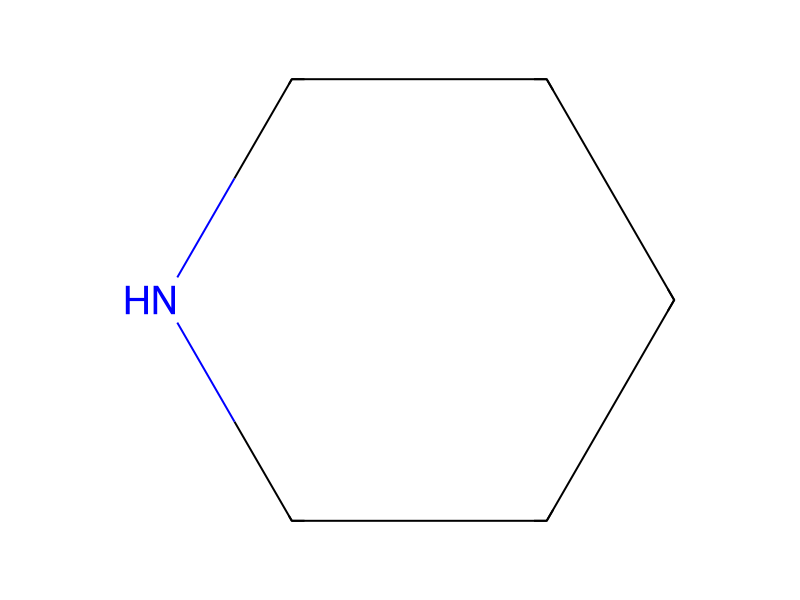


실험 절차
A suspension of 3,6-bis(2-chloroethoxy)acridine hydrochloride in piperidine was heated in a steel bomb at 80° C. for 24 hours. The excess piperidine was removed in vacuo and the residual solution was washed twice with 30 ml portions of saturated aqueous sodium bicarbonate, then dried and filtered. The filtrate was evaporated to a residue, giving 3,6-bis(2-piperidinoethoxy)acridine as yellow crystals, mp 129°-130° C.
후처리
- customThe excess piperidine was removed in vacuo
- washthe residual solution was washed twice with 30 ml portions of saturated aqueous sodium bicarbonate
- customdried
- filtrationfiltered