반응식

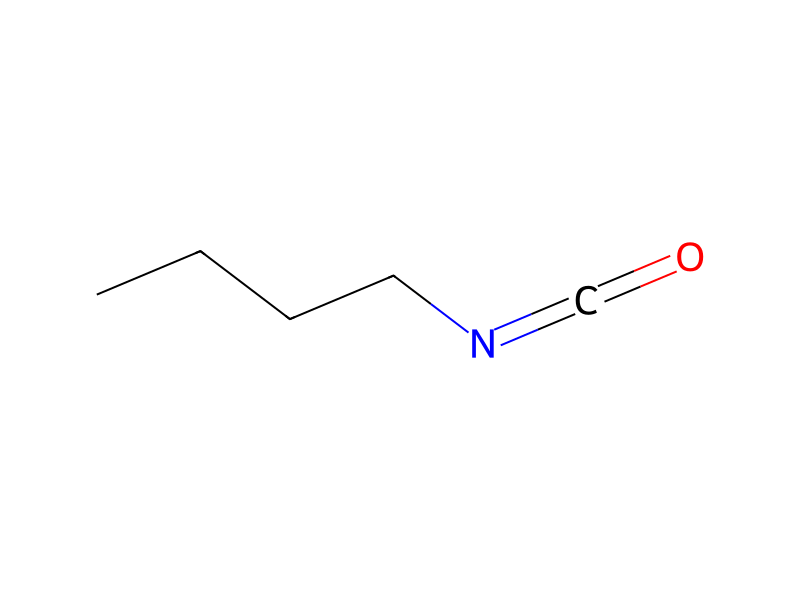
[NH2:1][S:2]([C:5]1[CH:14]=[C:13]([O:15][CH2:16][CH3:17])[CH:12]=[CH:11][C:6]=1[C:7]([O:9][CH3:10])=[O:8])(=[O:4])=[O:3].C(N=[C:23]=[O:24])CCC.C(Cl)(Cl)=O>>[CH2:16]([O:15][C:13]1[CH:12]=[CH:11][C:6]([C:7]([O:9][CH3:10])=[O:8])=[C:5]([S:2]([N:1]=[C:23]=[O:24])(=[O:3])=[O:4])[CH:14]=1)[CH3:17]참가 물질
4



실험 절차
A solution of methyl 2-(aminosulfonyl)-4-ethoxybenzoate (7.56 g, 29.2 mmol), n-butyl isocyanate (3.29 mL, 29.2 mmol), and 1,4-diaza[2.2.2]bicyclooctane (0.13 g, 1.2 mmol) in mixed xylenes was heated at reflux for 10 minutes. Phosgene was then added at such a rate that the internal temperature stayed at 133° C. or above. When consumption of phosgene ceased, the solution was cooled to room temperature and then filtered under nitrogen. Rotary evaporation gave methyl 4-ethoxy-2-(isocyanatosulfonyl)benzoate as a cloudy yellow oil (8.2 g). This was used immediately without further purification or characterization.
후처리
- temperatureat reflux for 10 minutes
- customstayed at 133° C. or above
- customWhen consumption of phosgene
- filtrationfiltered under nitrogen
- customRotary evaporation
출처 및 근거
- ORD 기록
- ord-00b260a412e144a3bdfe377202721f32
- 출처 데이터셋
- uspto-grants-1989_10
- 특허 번호
- US04871847
연결된 노트
불러오는 중…