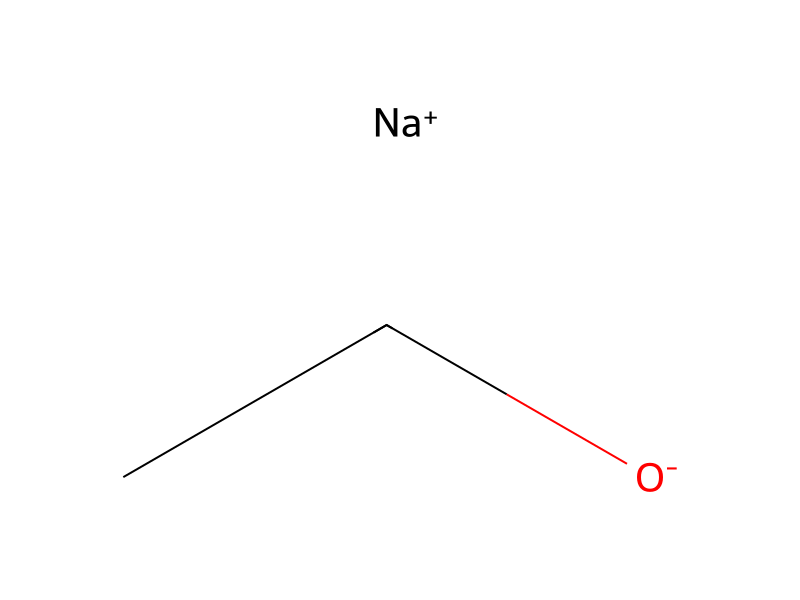
[CH:1]1([N:4]([C:23](=[O:30])[CH2:24][C:25]([O:27][CH2:28][CH3:29])=[O:26])[C:5]2[C:6]([C:19]([O:21]C)=O)=[N:7][CH:8]=[C:9]([CH2:11][C:12]3[CH:17]=[CH:16][C:15]([F:18])=[CH:14][CH:13]=3)[CH:10]=2)[CH2:3][CH2:2]1.[O-]CC.[Na+]>C(O)C>[CH:1]1([N:4]2[C:5]3[C:6](=[N:7][CH:8]=[C:9]([CH2:11][C:12]4[CH:17]=[CH:16][C:15]([F:18])=[CH:14][CH:13]=4)[CH:10]=3)[C:19]([OH:21])=[C:24]([C:25]([O:27][CH2:28][CH3:29])=[O:26])[C:23]2=[O:30])[CH2:3][CH2:2]1A solution of methyl 3-{cyclopropyl[3-(ethyloxy)-3-oxopropanoyl]amino}-5-[(4-fluorophenyl)methyl]-2-pyridinecarboxylate (402 mg, 0.97 mmol) in ethanol (20 mL) at 0° C. was treated with sodium ethoxide (165 mg, 2.4 mmol). The reaction mixture was allowed to warm to room temperature as the bath warmed overnight. Solvents were removed in vacuo and the residue was taken up in water. The pH was adjusted to ˜5 with 1 N HCl (aq) and the aqueous layer extracted with ethyl acetate. The organics were dried over sodium sulfate filtered and concentrated to give ethyl 1-cyclopropyl-7-[(4-fluorophenyl)methyl]-4-hydroxy-2-oxo-1,2-dihydro-1,5-naphthyridine-3-carboxylate (362 mg, 98%) as a solid. 1H NMR (400 MHz, CDCl3) δ 8.50 (d, J=1.6 Hz, 1 H), 7.78 (s, 1 H), 7.18 (dd, J=8.7, 5.4 Hz, 2 H), 7.04 (t, J=8.7 Hz, 2 H), 4.50 (q, J=7.1 Hz, 2 H), 4.13 (s, 2 H), 2.77 (m, 1 H), 1.46 (t, J=7.3 Hz, 3 H), 1.22 (m, 2 H), 0.76 (m, 2 H); MS m/z 383 (M+1).