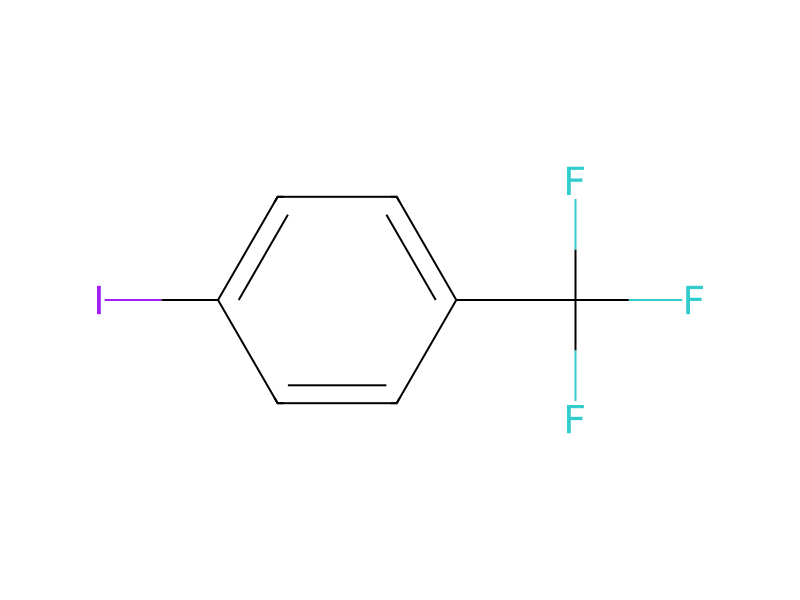
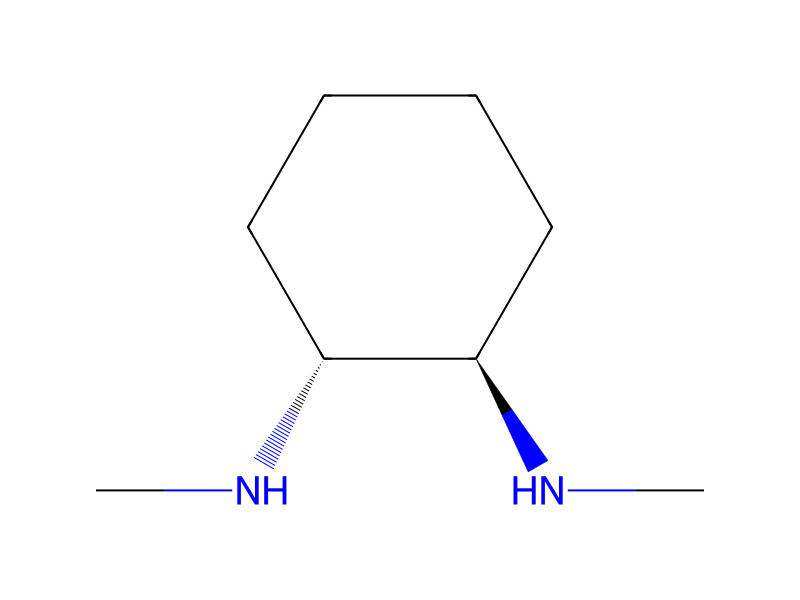
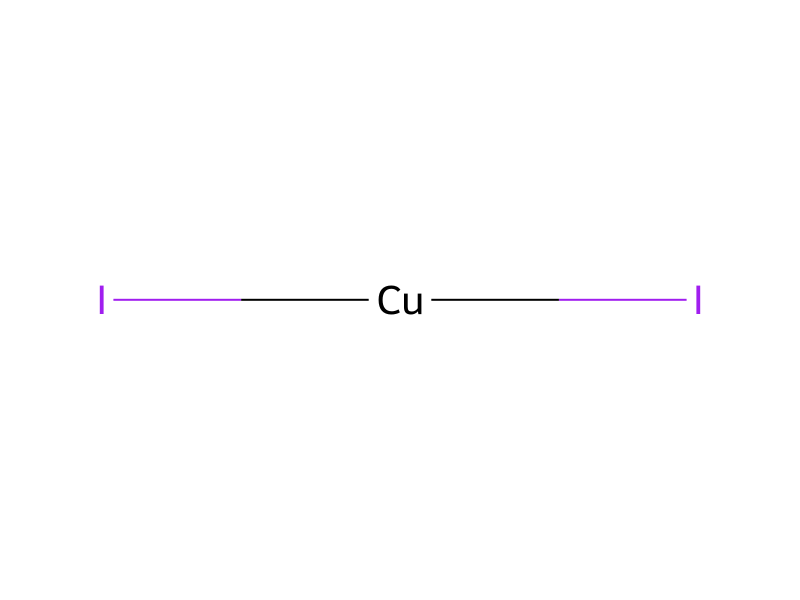
[CH3:1][N:2]1[C:6]([C:7]2[CH:8]=[N:9][NH:10][CH:11]=2)=[CH:5][CH:4]=[N:3]1.I[C:13]1[CH:18]=[CH:17][C:16]([C:19]([F:22])([F:21])[F:20])=[CH:15][CH:14]=1.C(=O)([O-])[O-].[K+].[K+].CN[C@@H]1CCCC[C@H]1NC.[Cl-].[NH4+]>[Cu](I)I.CN(C)C=O>[CH3:1][N:2]1[C:6]([C:7]2[CH:8]=[N:9][N:10]([C:13]3[CH:18]=[CH:17][C:16]([C:19]([F:22])([F:21])[F:20])=[CH:15][CH:14]=3)[CH:11]=2)=[CH:5][CH:4]=[N:3]1Under a nitrogen atmosphere, a mixture of 2-methyl-1′H,2H-3,4′-bipyrazole (176 mg), 4-iodobenzotrifluoride (485 mg), copper iodide (45 mg), potassium carbonate (329 mg), trans-N,N′-dimethylcyclohexan-1,2-diamine (135 mg) and N,N-dimethylformamide (2.2 mL) was stirred at 100° C. for 16 hours. Thereafter, a saturated ammonium chloride aqueous solution was added to the reaction solution, and the obtained mixture was then extracted with chloroform. The organic layer was dried over anhydrous magnesium sulfate, and was then concentrated under a reduced pressure. The residue was purified by column chromatography (silica gel cartridge, hexane:ethyl acetate=9:1 to 1:1), so as to obtain the title compound (280 mg) in the form of a colorless solid.