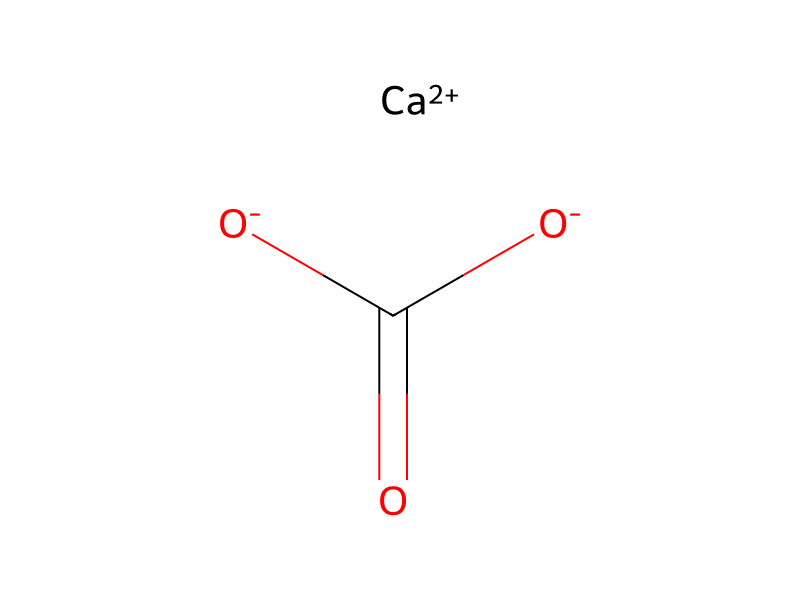
2-(Pyridin-4-yl)ethanethioamide (6 mmol) and 20 mmol of calcium carbonate were added to a solution of ethyl 3-bromo-4-oxopiperidine-1-carboxylate (1 g; 4 mmol; cf. AMN-01) in 20 ml of 2-propanol. The reaction mixture obtained was heated under reflux for 20 hours. The course of the reaction was monitored by thin layer chromatography. The reaction mixture was then cooled to 25° C. and filtered over Celite. The filter cake was washed several times with ethyl acetate. The organic phase was concentrated under reduced pressure, the residue was taken up in ethyl acetate and the mixture was washed successively with water and saturated sodium chloride solution. After the organic phase had been dried over sodium sulfate, the solvent was removed under reduced pressure. The crude product obtained was purified by column chromatography (30% ethyl acetate in hexane). The desired product was obtained in a yield of 70%.