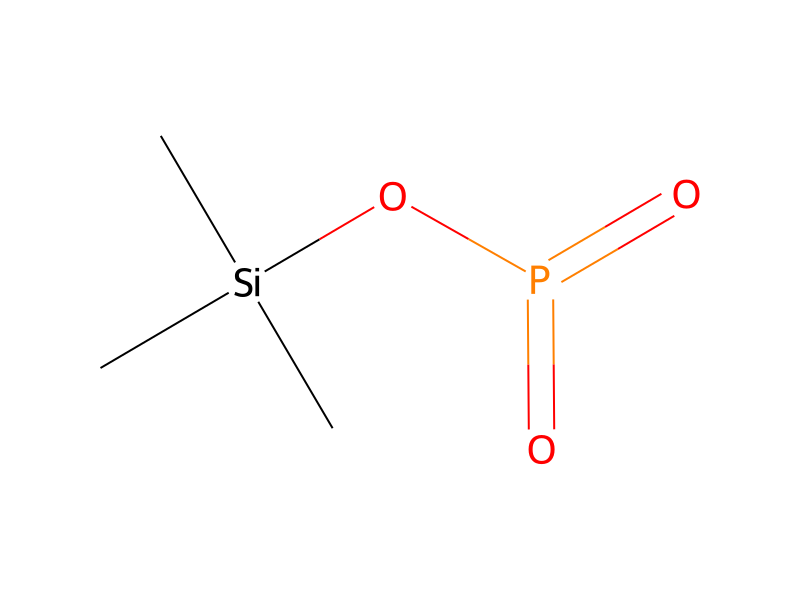
[CH3:1][C:2]1[N:6]([CH2:7][C:8]2[CH:13]=[CH:12][C:11]([CH3:14])=[CH:10][CH:9]=2)[N:5]=[C:4]([C:15]([OH:17])=O)[CH:3]=1.[NH2:18][C:19]1[CH:20]=[C:21]([C:26]2[CH:31]=[CH:30][CH:29]=[CH:28][CH:27]=2)[CH:22]=[CH:23][C:24]=1O.C[Si](OP(=O)=O)(C)C>>[CH3:1][C:2]1[N:6]([CH2:7][C:8]2[CH:9]=[CH:10][C:11]([CH3:14])=[CH:12][CH:13]=2)[N:5]=[C:4]([C:15]2[O:17][C:24]3[CH:23]=[CH:22][C:21]([C:26]4[CH:27]=[CH:28][CH:29]=[CH:30][CH:31]=4)=[CH:20][C:19]=3[N:18]=2)[CH:3]=1A flask containing 5-methyl-1-(4-methylbenzyl)-1H-pyrazole-3-carboxylic acid (Intermediate B, 5.0 g, 21.7 mmol), 3-aminobiphenyl-4-ol (4.0 g, 21.7 mmol) and trimethylsilyl polyphosphate (40 g) was heated at 180° C. for 30 min, and then the reaction mixture was poured into ice water (1 L). The mixture was stirred for 1 h and was extracted with dichloromethane (2 L). The layers were separated and the organic layer was washed with brine (2×1 L) and dried with sodium sulfate. The solvent was evaporated, and the residue was purified with an ISCO CombiFlash Companion using gradient elution from 100% hexane to 20% ethyl acetate in hexane to afford the title compound as a white solid (2.19 g, 27%): 1H NMR (300 MHz, CD2Cl2) 7.94 (d, 1H), 7.66 (m, 4H), 7.48 (t, 2H), 7.39 (m, 1H), 7.14 (dd, 4H), 6.82 (s, 1H), 5.37 (s, 2H), 2.34 (s, 3H), 2.32 (s, 3H); ES-MS m/z 380.2 (MH)+, HPLC RT (Method A) 4.25 min.