Indole → Tetrahydrocyclopent(b)indole
반응식

O=[C:2]1[CH2:6][CH2:5][CH:4]([N:7]2[C:15](=O)[C:14]3[C:9](=[CH:10][CH:11]=[CH:12]C=3)C2=O)[CH2:3]1.C1(NN)C=CC=CC=1.N1C2C(=CC=CC=2)C=C1>>[CH2:2]1[C:3]2[CH:4]([N:7]=[C:15]3[C:14]=2[CH:9]=[CH:10][CH:11]=[CH:12]3)[CH2:5][CH2:6]1참가 물질



실험 절차
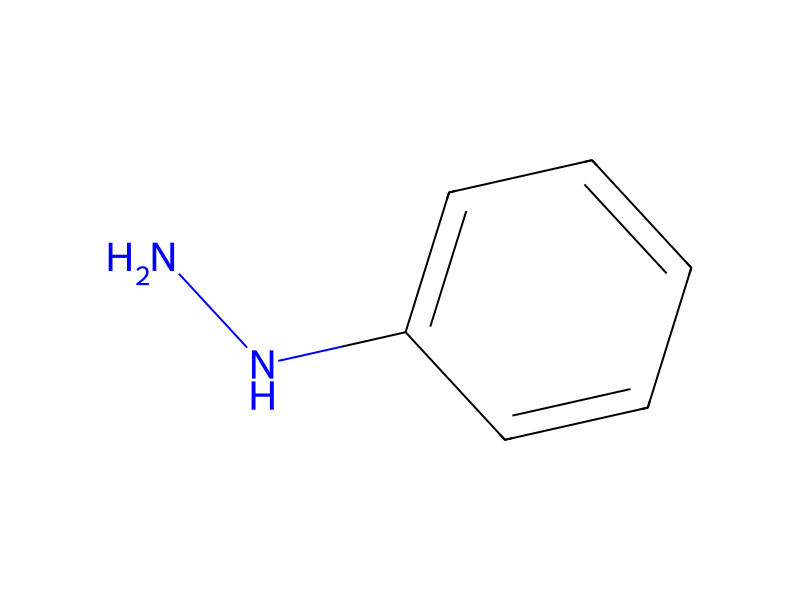
In Scheme II, Step B, (±)-2-(3-oxo-cyclopentyl)-isoindole-1,3-dione (9) is reacted with a phenylhydrazine of formula (10) in a typical Fischer indole synthesis to give a tetrahydrocyclopenta[b]indole of formula (11). The skilled artisan will recognize that there are a variety of acidic conditions to effect a Fischer indole synthesis, including both proton and Lewis acids. The preferred conditions use a mixture of glacial acetic acid with 4N HCl in dioxane, at a temperature of 50° C. to the reflux temperature of the solvent, for about 4 to 24 hours. The product is isolated by addition of water followed by filtration of the resulting solid. The solid is sonicated in methanol to give material of sufficient purity. Alternatively, the reaction is effected using a Lewis acid, such as zinc chloride, in an amount of about 2 to 4 equivalents.
출처 및 근거
- ORD 기록
- ord-56a3b510010f453da3fc875567c5038f
- 출처 데이터셋
- uspto-grants-2011_06
- 특허 번호
- US07968587B2
반응 노트
불러오는 중…