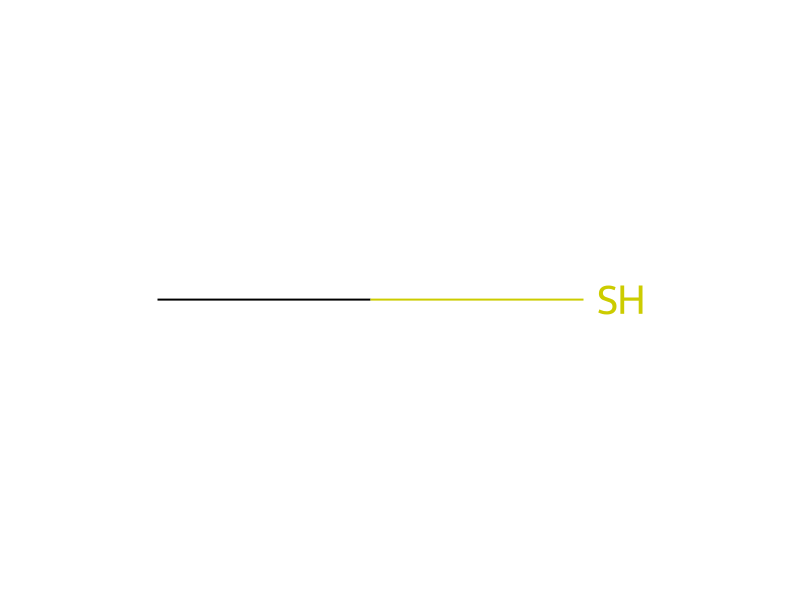
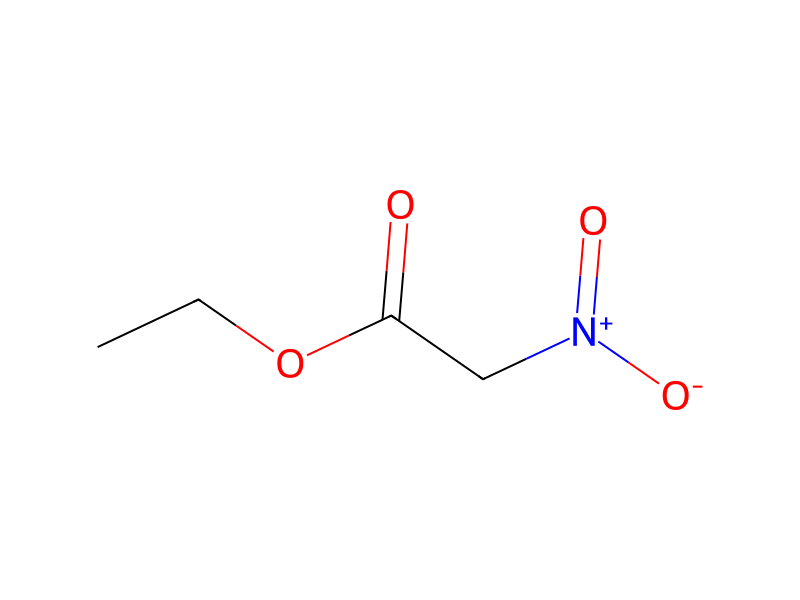
To a mixture of 235 g of 5,6-dihydro-2-methylthio)-4H-1,3-thiazine (A. F. McKay et al., J. Am. Chem. Soc., 80, 3339 (1958)) and 2 g of zinc chloride at approximately 115° in a nitrogen atmosphere, 263 g of ethyl nitroacetate (S. Zen, et. al., Kogyo Kagaku Zasshi, 74, 70 (1971)) was added dropwise over a 1.5 hour period. The mixture was held at 110°-120°. When evolution of methyl mercaptan ceased after 45 minutes stirring of the heated mixture, 1 g of zinc chloride was added and the mixture was stirred at about 115° For 1.25 hours. An additional 1 g of zinc chloride then was added and stirring of the mixture at about 115° was continued for 1.5 hours. The mixture then was poured into a cooled solution of 2/1 (volume) ether/isopropyl alcohol mixture. The crystallized product was collected, washed with ether and dried under reduced pressure to leave a tan solid, m.p. 100°-102°, which on recrystallization from methanol gave ethyl nitro(tetrahydro-2H-1,3-thiazin-2-ylidene)acetate (1A) as a pale yellow solid, m.p. 105°-106°.