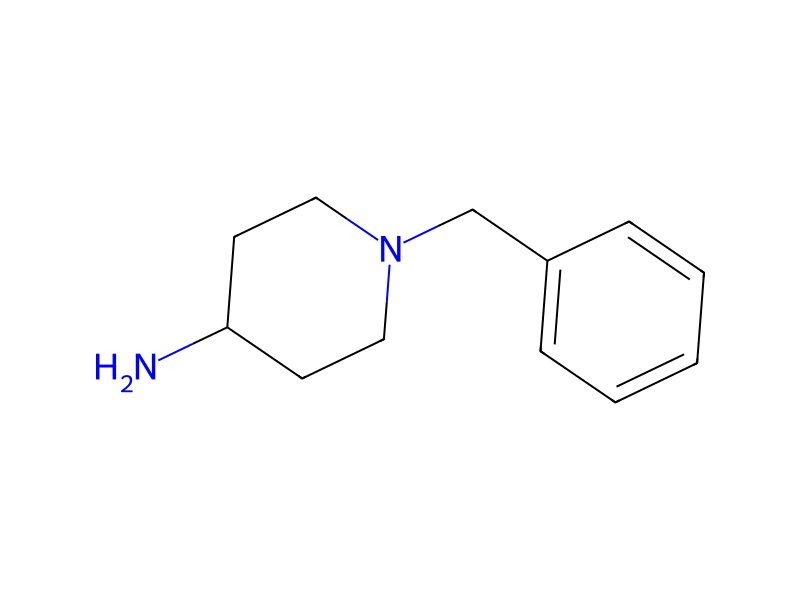
C(=O)([O-])[O-].[K+].[K+].[NH2:7][CH:8]1[CH2:13][CH2:12][N:11]([CH2:14][C:15]2[CH:20]=[CH:19][CH:18]=[CH:17][CH:16]=2)[CH2:10][CH2:9]1.Cl[C:22]1[CH:30]=[CH:29][CH:28]=[C:27]([F:31])[C:23]=1[C:24]([OH:26])=[O:25]>CN(C)C=O>[CH2:14]([N:11]1[CH2:12][CH2:13][CH:8]([NH:7][C:22]2[CH:30]=[CH:29][CH:28]=[C:27]([F:31])[C:23]=2[C:24]([OH:26])=[O:25])[CH2:9][CH2:10]1)[C:15]1[CH:20]=[CH:19][CH:18]=[CH:17][CH:16]=1Potassium carbonate (8.9 g), 4-amino-1-benzyl-piperidine (18.5 g), cupric oxide (0.6 g) and dimethylformamide (25 ml) are added to 2-chloro-6-fluorobenzoic acid (11.3 g) and the mixture is reacted with heating at 140° C. for 6 hours. After the reaction, the solvent is concentrated and to the resulting residue are added water (200 ml) and active carbon (1 g). The mixture is refluxed for 30 minutes. After filtration, the filtrate is cooled and then adjusted to pH 8.0 with diluted hydrochloric acid. The precipitated crystal is collected by filtration and washed successively with water and methanol to give 2-(1-benzyl-4-piperidinylamino)-6-fluorobenzoic acid (7.6 g) as white powders, m.p.: 233°-236° C.