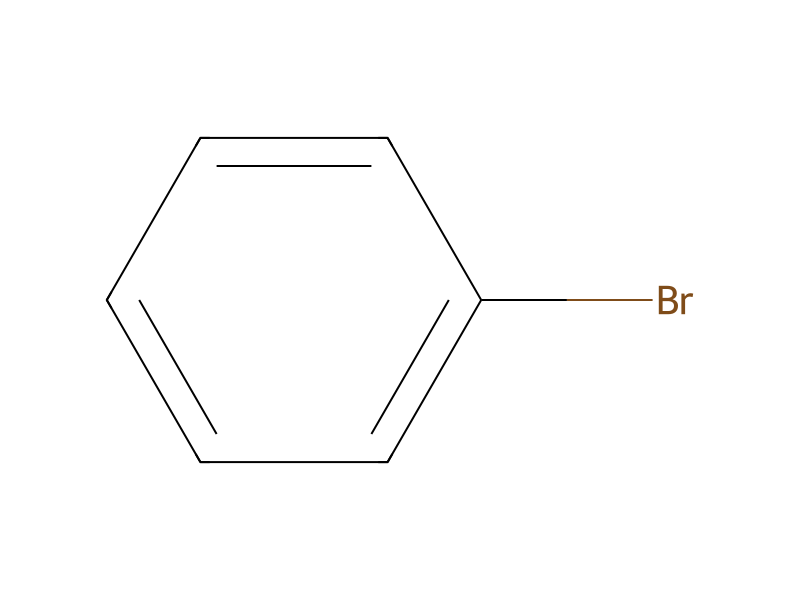
Br[C:2]1[CH:7]=[CH:6][CH:5]=[CH:4][CH:3]=1.[Mg].C1([Mg]Br)C=CC=CC=1.[C:17]([C:25]1[O:29][N:28]=[C:27]([CH3:30])[CH:26]=1)(=[O:24])[C:18]1[CH:23]=[CH:22][CH:21]=[CH:20][CH:19]=1>CCOCC>[C:2]1([C:17]([C:18]2[CH:23]=[CH:22][CH:21]=[CH:20][CH:19]=2)([C:25]2[O:29][N:28]=[C:27]([CH3:30])[CH:26]=2)[OH:24])[CH:7]=[CH:6][CH:5]=[CH:4][CH:3]=1From 31.4 grams (0.2 mole) bromobenzene and 4.86 grams (0.2 mole) magnesium turnings in 150 ml ether there was prepared a solution of phenylmagnesium bromide which was added dropwise at -5°C to a solution of 18.7 grams (0.1 mole) 5-benzoyl-3-methylisoxazole. Heating was effected slowly, followed by boiling under reflux for one hour and poured onto ice. After acidification with 25 ml hydrochloric acid, the ethereal phase was separated; washing with bicarbonate solution was effected, followed by drying and concentration. The residue was crystallized with ether/petroleum ether. 21 grams bis-phenyl-(3-methylisoxazol-5-yl)-carbinol of the melting point 116°-118°C. were obtained.