반응식

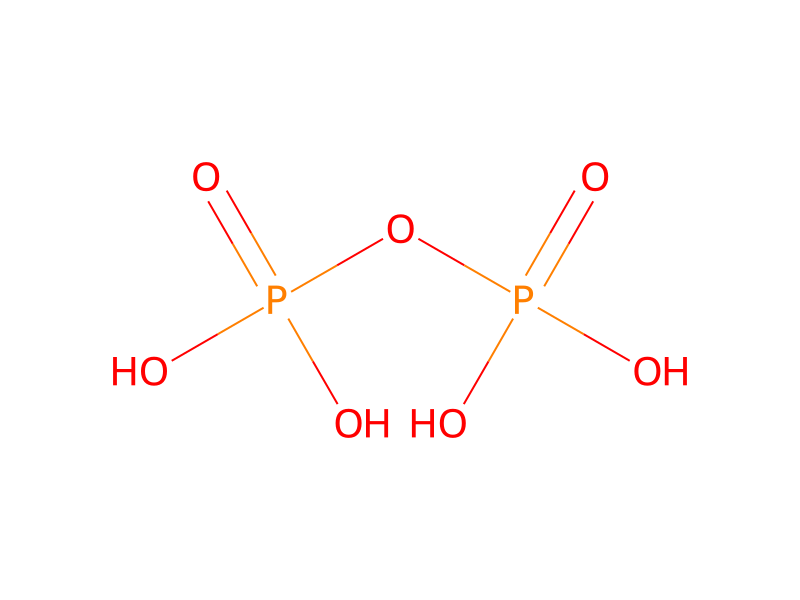
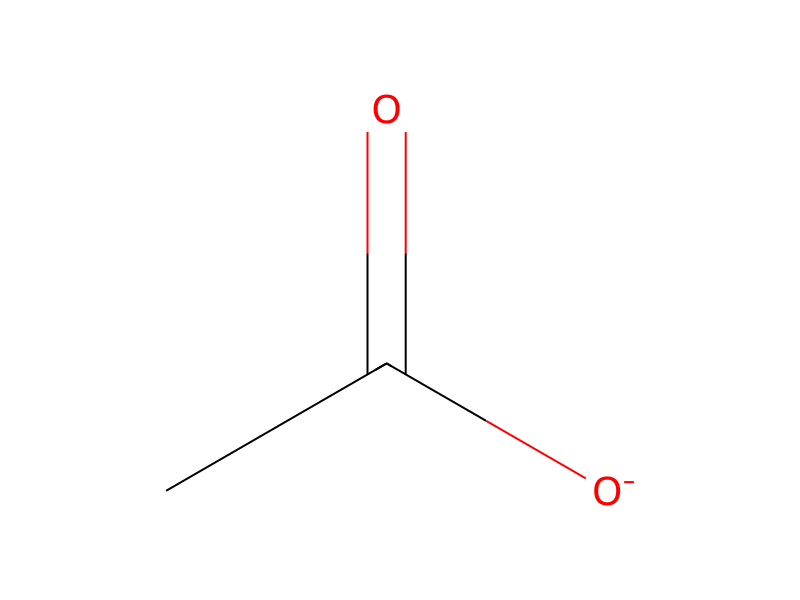
[P:1]([O:5]P(O)(O)=O)([OH:4])([OH:3])=[O:2].[C@@H:10]1([N:19]2[C:28]3[N:27]=[CH:26][N:25]=[C:23]([OH:24])[C:22]=3[N:21]=[CH:20]2)[O:18][C@H:15]([CH2:16]O)[C@@H:13]([OH:14])[C@H:11]1[OH:12]>C([O-])(=O)C>[C@@H:10]1([N:19]2[C:28]3[N:27]=[CH:26][N:25]=[C:23]([OH:24])[C:22]=3[N:21]=[CH:20]2)[O:18][C@H:15]([CH2:16][O:5][P:1]([OH:3])([OH:4])=[O:2])[C@@H:13]([OH:14])[C@H:11]1[OH:12]참가 물질
4


실험 절차
Pyrophosphoric acid (15 g/dl) and 8 g/dl of inosine were dissolved in an acetate buffer (pH 4.0). To the solution was added E. coli JM109 strain having introduced therein the above-mentioned mutant and wild-type acid phosphatase genes such that the concentration reached 200 mg/dl in terms of the dry cell weight. The reaction was conducted at 35° C. for 32 hours while maintaining the pH at 4.0, and the amount of 5′-inosinic acid formed over the course of time was measured. Inosinic acid formed was only 5′-inosinic acid, and the formation of 2′-inosinic acid and 3′-inosinic acid as by-products was not observed at all. The results are shown in FIG. 8.
후처리
- additionTo the solution was added E
- additionstrain having introduced
- concentrationthe above-mentioned mutant and wild-type acid phosphatase genes such that the concentration
- temperaturewhile maintaining the pH at 4.0
출처 및 근거
- ORD 기록
- ord-eb9c4c079f734c0a8a636d1a0d000670
- 출처 데이터셋
- uspto-grants-2002_03
- 특허 번호
- US06355472B2
연결된 노트
불러오는 중…