반응식

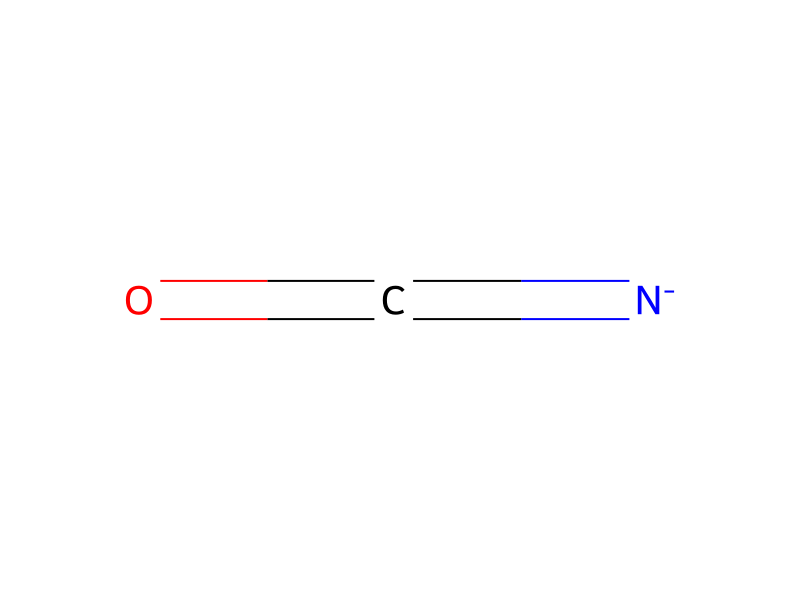
C1(O[C:8](=[O:19])[NH:9][C:10]2[CH:14]=[C:13]([C:15]([CH3:18])([CH3:17])[CH3:16])[O:12][N:11]=2)C=CC=CC=1.[N-]=C=O.[NH2:23][C:24]1[N:29]([C:30]2[CH:35]=[CH:34][CH:33]=[C:32]([NH2:36])[CH:31]=2)[CH2:28][N:27]=[C:26]2[O:37][CH:38]=[CH:39][C:25]=12>>[NH2:23][C:24]1[N:29]([C:30]2[CH:35]=[CH:34][CH:33]=[C:32]([NH:36][C:8]([NH:9][C:10]3[CH:14]=[C:13]([C:15]([CH3:16])([CH3:17])[CH3:18])[O:12][N:11]=3)=[O:19])[CH:31]=2)[CH2:28][N:27]=[C:26]2[O:37][CH:38]=[CH:39][C:25]=12참가 물질
4


실험 절차
The compound was prepared following the procedure described in Example 232(b), using (5-t-butyl-isoxazol-3-yl)-carbamic acid phenyl ester as the isocyanate of choice, and 4-Amino-3-(3-aminophenyl)furo[2,3-d]pyrimidine (10) as the diamine of choice. MS(ES) m/e 393 [M+H]+.
후처리
- customThe compound was prepared
출처 및 근거
- ORD 기록
- ord-bfdb7b1df3924e578a391468f3169498
- 출처 데이터셋
- uspto-grants-2008_09
- 특허 번호
- US07427623B2
연결된 노트
불러오는 중…