Boron trifluoride → 2-Ethoxycarbonyl-5-aminocycloheptanone
반응식

[NH2:1][CH:2]1[CH2:7][CH2:6][C:5](=[O:8])[CH2:4][CH2:3]1.B(F)(F)F.[N+](=[CH:15][C:16]([O:18][CH2:19][CH3:20])=[O:17])=[N-]>C(OCC)C>[CH2:19]([O:18][C:16]([CH:15]1[CH2:6][CH2:7][CH:2]([NH2:1])[CH2:3][CH2:4][C:5]1=[O:8])=[O:17])[CH3:20]참가 물질
5
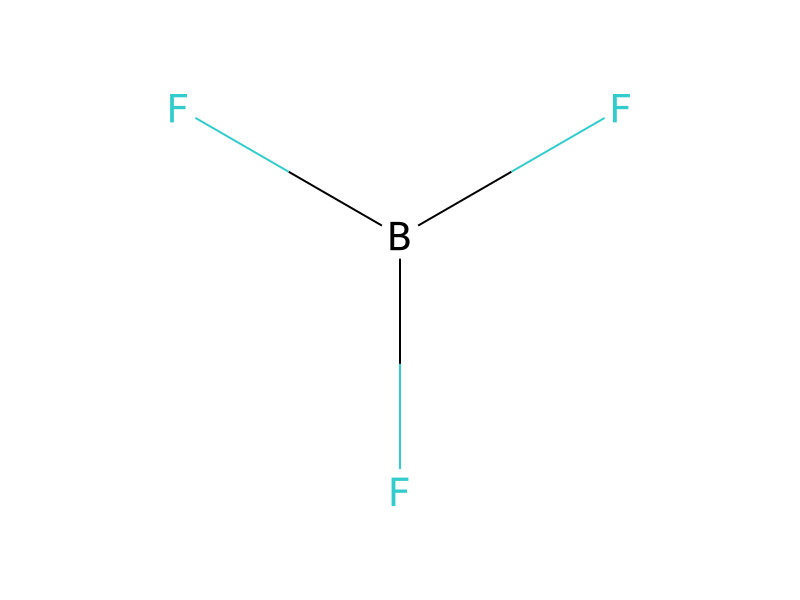



실험 절차
The appropriate 4-aminocyclohexanone in an appropriate solvent, for example diethyl ether, is treated with an appropriate Lewis acid such as boron trifluoride for about 20 minutes to about an hour at room temperature. To this solution is then added ethyl diazoacetate and the resulting mixture is stirred for about 1 hour to about 24 hours at room temperature. The resulting 2-ethoxycarbonyl-5-aminocycloheptanone is isolated by diluting the reaction mixture with aqueous sodium carbonate and extracting with a water immiscible solvent such as diethyl ether. The reaction product is then directly dissolved in dimethylsulfoxide which contains sodium chloride and water. The reaction mixture is heated to about 170° for from about 1 to about 24 hours to effect the decarbethoxylation. The desired 4-aminocycloheptanone is recovered by diluting the reaction mixture with water and extracting with an appropriate solvent such as diethyl ether. The reaction product may be purified by column chromatography, if desired, prior to further reaction.