홈MCP워크벤치Skills
홈워크벤치알림마이페이지
llms.txt · MCP 가이드개인정보처리방침 · 이용약관 · 지원v1.8.0
  1. 홈
  2. /반응

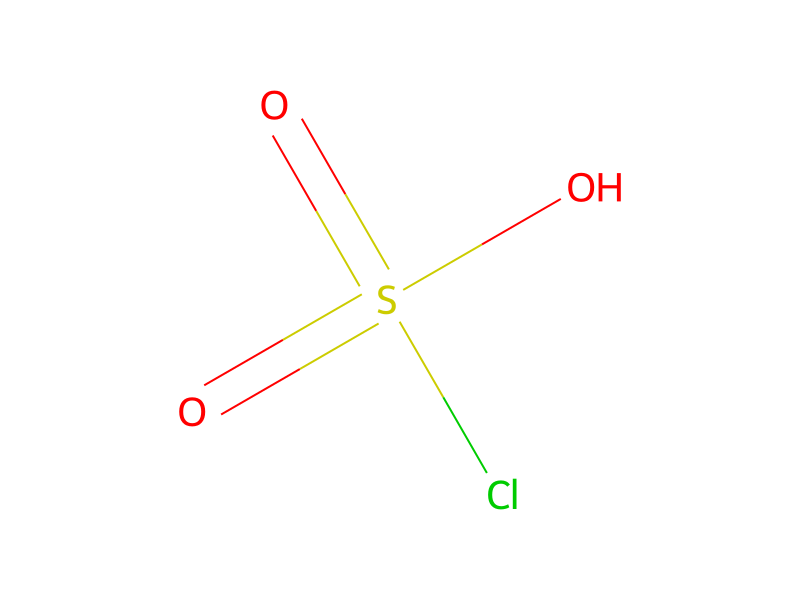
Chlorosulfonic acid → 4-[4-(Chlorosulfonyl)phenoxy]-2-butynyl acetate

HRID 349607
노트
인쇄 미리보기

반응식

HRID 349607 반응식
[C:1]([O:4][CH2:5][C:6]#[C:7][CH2:8][O:9][C:10]1[CH:15]=[CH:14][CH:13]=[CH:12][CH:11]=1)(=[O:3])[CH3:2].[Cl:16][S:17](O)(=[O:19])=[O:18].C(Cl)(=O)C(Cl)=O>ClCCl>[C:1]([O:4][CH2:5][C:6]#[C:7][CH2:8][O:9][C:10]1[CH:11]=[CH:12][C:13]([S:17]([Cl:16])(=[O:19])=[O:18])=[CH:14][CH:15]=1)(=[O:3])[CH3:2]
참가 물질반응 조건실험 절차후처리출처 및 근거반응 노트

참가 물질

5

반응물 3

HCID 24638Chlorosulfonic acidHCID 65578Oxalyl chloride2회HCID 105843294-Phenoxy-2-butynyl acetate

생성물 1

HCID 116091604-[4-(Chlorosulfonyl)phenoxy]-2-butynyl acetate

시약·촉매·용매 1

HCID 6344Dichloromethane용매3회

반응 조건

온도
-7.5 °C

실험 절차

A 22-L reactor was equipped with a thermometer, a water condenser, a cooling bath/heating mantle, and an addition funnel, and dichloromethane (11 L) was charged. A solution of 4-phenoxy-2-butynyl acetate in dichloromethane (2.04 kg, 10 mol) was charged to the reactor, followed by 2 L of dichloromethane and the solution was cooled −5 to −10° C. Chlorosulfonic acid (0.73 L, 1.28 kg, 11 mol) was added slowly via an addition funnel maintaining temperature between −5 and 0° C. After the addition was complete, the cooling bath was removed and the reaction mixture was stirred for 1–2 h at 18–22° C. The progress of the reaction was monitored by TLC or HPLC (disappearance of starting material). DMF (155 mL, 146 g) was added portion wise. The reaction mixture was heated to reflux (38–40° C.). Oxalyl chloride (1.13 L, 1.65 kg, 13 mol) was added through an addition funnel into the boiling solution over a period of 2–3 h maintaining gentle reflux. After all the oxalyl chloride was added, reflux was continued for 1 h. The completion of reaction was checked by HPLC (less than 3% of intermediate sulfonic acid remaining). After completion, the heating was stopped and the reaction mixture was cooled to 18–22° C. and stirred for 16 h. The reaction mixture was quenched into a 50-L reactor with 5 L of cold (5 to 10° C.) water and stirred for 10–20 min while maintaining the temperature below 20° C. The organic layer was separated and the aqueous layer was extracted with (2 L) of fresh dichloromethane. The combined organic layers were washed with 4 L of sodium bicarbonate solution until pH=7–8. The dichloromethane layer was separated and concentrated in vacuo at 35–40° C. to a volume of 5 to 7 L. This solution was mixed with 3 kg of silica gel and concentrated in vacuo until a free-flowing powder was obtained. The silica gel powder was transferred to a filter funnel with a Celite bed and eluted with 22 L of isopropyl ether. The ether solution was concentrated in vacuo to yield about 3 L of a slightly viscous liquid. This residue was transferred to a 5-L reaction flask with overhead stirrer, seeded and stirred for 16–18 h at 18–22° C. Crystallization began after several hours. Stirring continued at low temperature (0 to −10° C.). The solid was filtered on Buchner funnel lined with polypropylene and washed with 2 L of cold (5° C.) IPE, then dried under vacuum (30 mm) at 18–20° C. to yield 1.1 kg (55%, HPLC strength 94.8%) of product.

후처리

  1. customA 22-L reactor was equipped with a thermometer, a water condenser
  2. additionwas charged
  3. temperaturemaintaining temperature between −5 and 0° C
  4. additionAfter the addition
  5. customthe cooling bath was removed
  6. additionDMF (155 mL, 146 g) was added portion wise
  7. temperatureThe reaction mixture was heated
  8. temperatureto reflux (38–40° C.)
  9. temperaturemaintaining gentle reflux
  10. temperaturereflux
  11. customThe completion of reaction
  12. temperaturethe reaction mixture was cooled to 18–22° C.
  13. stirringstirred for 16 h
  14. customThe reaction mixture was quenched into a 50-L reactor with 5 L of cold (5 to 10° C.) water
  15. stirringstirred for 10–20 min
  16. temperaturewhile maintaining the temperature below 20° C
  17. customThe organic layer was separated
  18. extractionthe aqueous layer was extracted with (2 L) of fresh dichloromethane
  19. washThe combined organic layers were washed with 4 L of sodium bicarbonate solution until pH=7–8
  20. customThe dichloromethane layer was separated
  21. concentrationconcentrated in vacuo at 35–40° C. to a volume of 5 to 7 L
  22. additionThis solution was mixed with 3 kg of silica gel
  23. concentrationconcentrated in vacuo until a free-flowing powder
  24. customwas obtained
  25. customThe silica gel powder was transferred to a filter funnel with a Celite bed
  26. washeluted with 22 L of isopropyl ether
  27. concentrationThe ether solution was concentrated in vacuo
  28. customto yield about 3 L of a slightly viscous liquid
  29. stirringstirred for 16–18 h at 18–22° C
  30. customCrystallization
  31. waitbegan after several hours
  32. stirringStirring
  33. customcontinued at low temperature (0 to −10° C.)
  34. filtrationThe solid was filtered on Buchner funnel
  35. washwashed with 2 L of cold (5° C.) IPE
  36. customdried under vacuum (30 mm) at 18–20° C.
  37. customto yield 1.1 kg (55%, HPLC strength 94.8%) of product

출처 및 근거

ORD 기록
ord-aa5d3fd1bf20430bb368163a620941ed
출처 데이터셋
uspto-grants-2007_02
DOI
10.6084/m9.figshare.5104873.v1
특허 번호
US07179911B2

반응 노트

불러오는 중…

이 페이지에서참가 물질반응 조건실험 절차후처리출처 및 근거반응 노트

