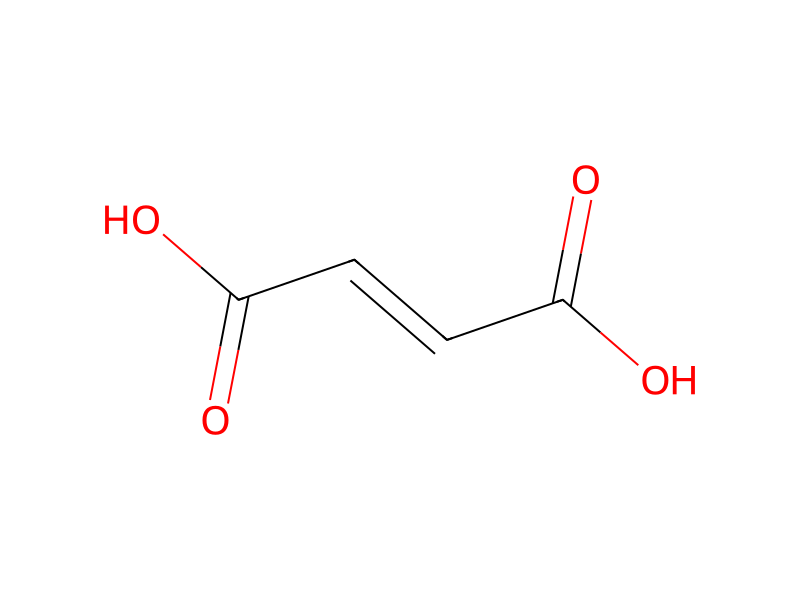
[Cl:1][C:2]1[CH:7]=[CH:6][C:5]([Cl:8])=[CH:4][C:3]=1[O:9][CH:10]([C:15]1[CH:20]=[CH:19][CH:18]=[CH:17][CH:16]=1)[CH2:11][CH2:12][CH2:13]Cl.[OH:21][CH:22]1[CH2:27][CH2:26][NH:25][CH2:24][CH2:23]1.[I-].[K+].[C:30]([OH:37])(=[O:36])/[CH:31]=[CH:32]/[C:33]([OH:35])=[O:34]>CN1CCCC1.O>[C:30]([OH:37])(=[O:36])/[CH:31]=[CH:32]/[C:33]([OH:35])=[O:34].[Cl:1][C:2]1[CH:7]=[CH:6][C:5]([Cl:8])=[CH:4][C:3]=1[O:9][CH:10]([C:15]1[CH:20]=[CH:19][CH:18]=[CH:17][CH:16]=1)[CH2:11][CH2:12][CH2:13][N:25]1[CH2:26][CH2:27][CH:22]([OH:21])[CH2:23][CH2:24]1A solution of the product from Example 22 step (b) (0.20 g, 0.61 mmol), 4-hydroxypiperidine (0.185 g, 1.83 mmol) and potassium iodide (0.051 g, 0.31 mmol) in N-methylpyrrolidine was heated to 100° C. in a sealed vessel and stirred for 4 h. The reaction was cooled, poured into water (50 ml) and the mixture extracted with ethyl acetate (3×50 ml). The combined organic extracts were washed with water (3×30 ml), dried (magnesium sulphate) and evaporated. The residue was dissolved in methanol and treated with one equivalent of fumaric acid. This was stirred for ten minutes then the solvent was removed in vacuo. The solid residue was triturated with ethyl acetate and the white solid obtained filtered off and dried to give the title compound (0.140 g, 45%).