Triethylamine → 2-(4-Phenoxythiocarbonylthiophenyl)-3-(4-pyridyl)-6,7dihydro[5H]-pyrrolo[1,2-a]imidazole
반응식

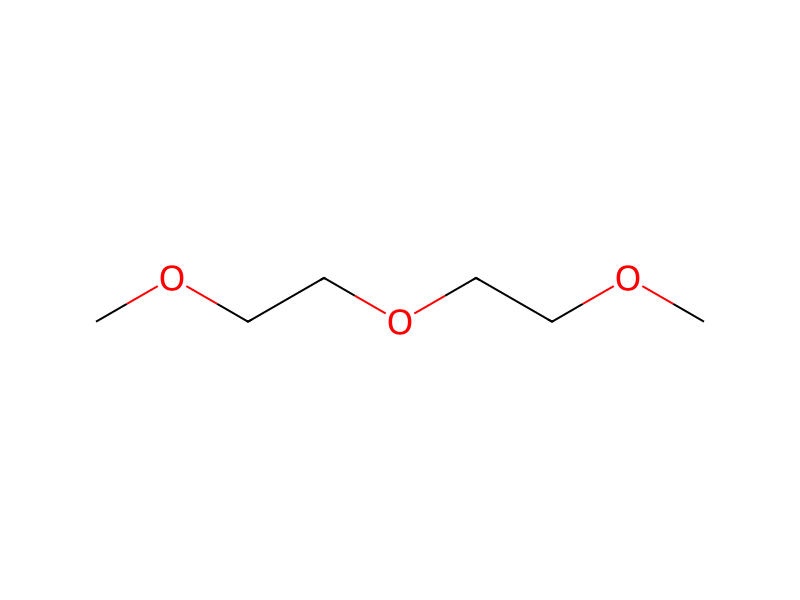
C(OCC1C=C(C2N=C3CCCN3C=2C2C=CN=CC=2)SC=1)(=O)C.[SH:25][C:26]1[CH:31]=[CH:30][C:29]([C:32]2[N:33]=[C:34]3[CH2:45][CH2:44][CH2:43][N:35]3[C:36]=2[C:37]2[CH:42]=[CH:41][N:40]=[CH:39][CH:38]=2)=[CH:28][CH:27]=1.C(N(CC)CC)C.[CH:53]1[CH:58]=[CH:57][C:56]([O:59][C:60](Cl)=[S:61])=[CH:55][CH:54]=1>COCCOCCOC>[O:59]([C:60]([S:25][C:26]1[CH:27]=[CH:28][C:29]([C:32]2[N:33]=[C:34]3[CH2:45][CH2:44][CH2:43][N:35]3[C:36]=2[C:37]2[CH:42]=[CH:41][N:40]=[CH:39][CH:38]=2)=[CH:30][CH:31]=1)=[S:61])[C:56]1[CH:57]=[CH:58][CH:53]=[CH:54][CH:55]=1참가 물질
6