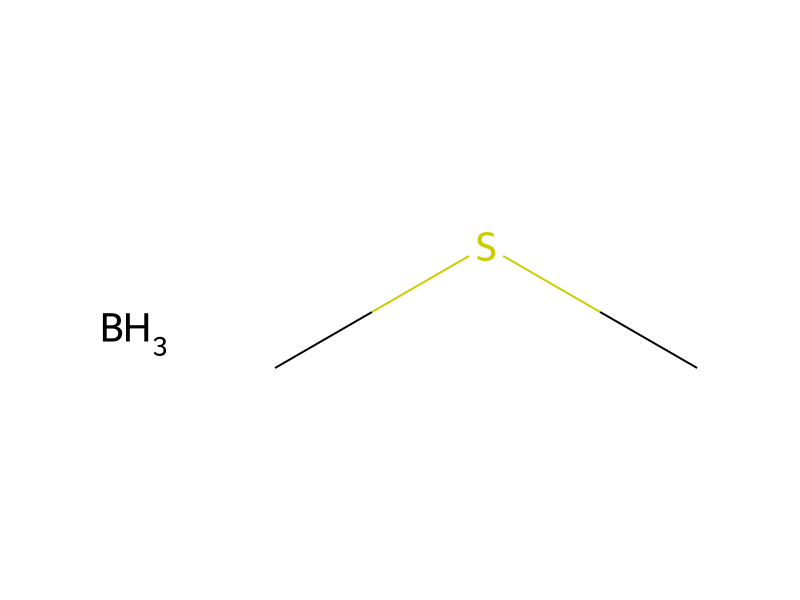
B.CSC.[CH:5]1([C:15](C)(C)[C:16]([N:18]2[CH2:23][CH2:22][N:21]([C:24]3[CH:29]=[CH:28][C:27]([O:30][CH2:31][CH3:32])=[CH:26][CH:25]=3)[CH2:20][CH2:19]2)=O)[C:14]2[C:9](=[CH:10][CH:11]=[CH:12][CH:13]=2)[CH2:8][CH2:7][O:6]1.[ClH:35].O.CO>C1COCC1>[OH2:6].[ClH:35].[ClH:35].[CH2:31]([O:30][C:27]1[CH:26]=[CH:25][C:24]([N:21]2[CH2:22][CH2:23][N:18]([CH2:16][CH2:15][CH:5]3[C:14]4[C:9](=[CH:10][CH:11]=[CH:12][CH:13]=4)[CH2:8][CH2:7][O:6]3)[CH2:19][CH2:20]2)=[CH:29][CH:28]=1)[CH3:32]Borane-methyl sulfide (0.8 ml, 0.08 mol) is added to a mixture of 2-(isochroman-1-yl)-1-[4-(4-ethoxyphenyl)piperazin-1-yl]-2-methylpropan-1-one (LXXXII, 0.279 g, 0.73 mmol) in THF (5 ml). The mixture is heated at 76° for 3 hr, then cooled in an ice/water bath. Hydrochloric acid/water (10%, 0.95 ml) is added, followed by methanol. The mixture is concentrated and additional methanol is added and removed under reduced pressure. This is repeated two more times. The residue is partitioned between dichloromethane and aqueous saturated sodium bicarbonate and the combined organic phases are separated and dried over magnesium sulfate and concentrated. The residue is chromatographed on silica gel eluting with methanol/dichloromethane (2/98). The appropriate fractions are pooled and concentrated to give the free base of the title compound. The dihydrochloride salt is prepared by dissolving the material in methanol and adding methanol saturated with hydrochloric acid to give the title compound, mp 211-212°; MS (m/z) 366; IR (mineral oil) 1510, 1117, 2329, 1257, 1475 and 2259 cm-1.
불러오는 중…