반응식

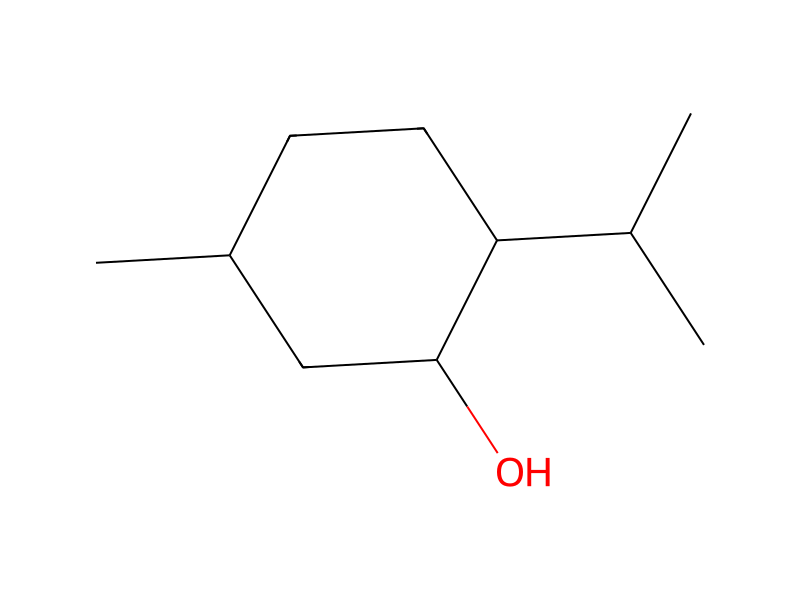
COC1C=C[C:6]2N=CC=[C:9]([C@@H](O)[C@H]3N4C[C@H](C=C)[C@@H](CC4)C3)[C:7]=2[CH:8]=1.C1(C(N)CC2C=CC=CC=2)C=CC=CC=1.CC(N(C)C)C(O)C1C=CC=CC=1.[CH3:53][C:54]1([CH3:60])[CH2:56][CH:55]1[C:57](O)=[O:58]>>[CH:7]1([CH3:9])[CH2:8][CH2:56][CH:55]([CH:54]([CH3:60])[CH3:53])[CH:57]([OH:58])[CH2:6]1참가 물질


실험 절차
With 1-phenylethylamine neither a satisfactory yield nor an adequate optical purity could be achieved. Quinine yielded enantiomer in good optical purity but poor yield, no yield was indicated for N-methylephedfine With 1,2-diphenylethylamine the yield is satisfactory and the optical purity very good but the reagent, as is also N-methylephedrine is very expensive. Further, it is known that 2,2-dimethylcyclopropanecarboxylic acid can be separated into the enantiomers by the diastereomeric menthyl esters, which can be obtained from the acid chloride with (+) or (-) menthol (U.S. Pat. No. 4,487,956). This process does provide usable yields and optical purities, but is relatively complicated in working up and requires the relatively expensive menthol.
후처리
- customcan be separated into the enantiomers by the diastereomeric menthyl esters, which
출처 및 근거
- ORD 기록
- ord-9ce85cc781f547289f414858807b168e
- 출처 데이터셋
- uspto-grants-1992_11
- 특허 번호
- US05166417
연결된 노트
불러오는 중…