반응식

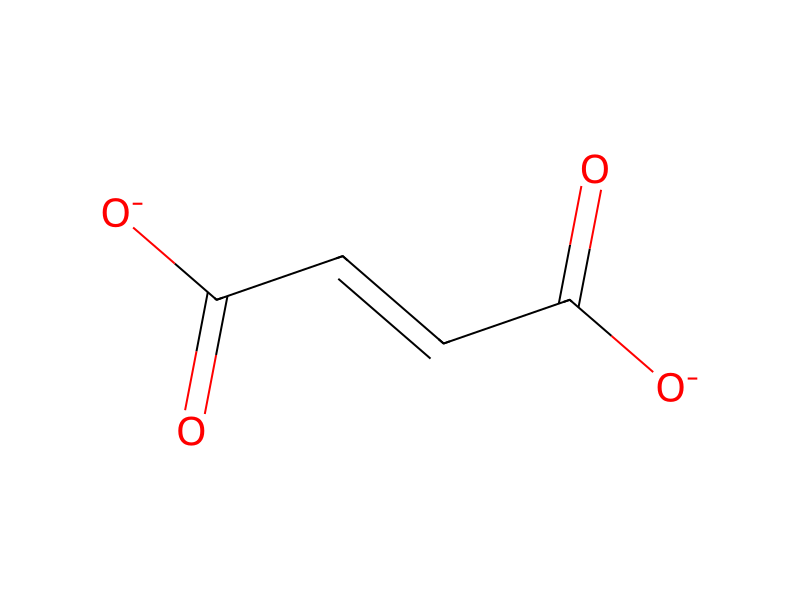
[N:1]12[CH2:8][CH2:7][CH:4]([CH2:5][CH2:6]1)[CH:3]([NH:9][C:10](=[O:22])[C:11]1[CH:16]=[C:15]([Cl:17])[C:14]([NH:18][CH3:19])=[CH:13][C:12]=1[O:20][CH3:21])[CH2:2]2.C([O-])(=O)/C=C/C([O-])=[O:27]>>[ClH:17].[N:1]12[CH2:8][CH2:7][CH:4]([CH2:5][CH2:6]1)[CH:3]([NH+:9]([O-:27])[C:10](=[O:22])[C:11]1[CH:16]=[C:15]([Cl:17])[C:14]([NH:18][CH3:19])=[CH:13][C:12]=1[O:20][CH3:21])[CH2:2]2참가 물질
3


실험 절차
N-(1-Azabicyclo[2.2.2]oct-3-yl)-5-chloro-2-methoxy-4-methylaminobenzamide, fumarate [1:1] is converted to the free base by partitioning with aqueous sodium hydroxide and methylene chloride. Using the procedure of Example 1, the free base is reacted with peracetic acid to obtain the N-oxide and finally with hydrogen chloride in isopropanol to give the hydrochloride.
후처리
- customby partitioning with aqueous sodium hydroxide and methylene chloride
- customthe free base is reacted with peracetic acid
출처 및 근거
- ORD 기록
- ord-bc32b8c0b4ec4edd970f899e38ffb207
- 출처 데이터셋
- uspto-grants-1988_02
- 특허 번호
- US04722834
연결된 노트
불러오는 중…